Physical Symptoms of Stress on the Body: The Silent Alarm System
The Disconnect: "It's Just Stress"
We often treat stress as a purely mental state—a feeling of overwhelm, worry, or anxiety that lives strictly in our brains. When we have a headache, we take a pill. When our stomach hurts, we take an antacid. We treat the symptoms in isolation, rarely connecting the dots to the root cause.
As health professionals, we need to clarify a critical biological fact: There is no wall between your mind and your body.
Stress is a physiological event. It is a chemical flood of cortisol and adrenaline that bathes every organ in your body. When this flood doesn't recede (Chronic Stress), it begins to erode your physical health just like water erodes stone. This article will decode the physical language of stress, helping you recognize the warning signs before they turn into chronic disease.
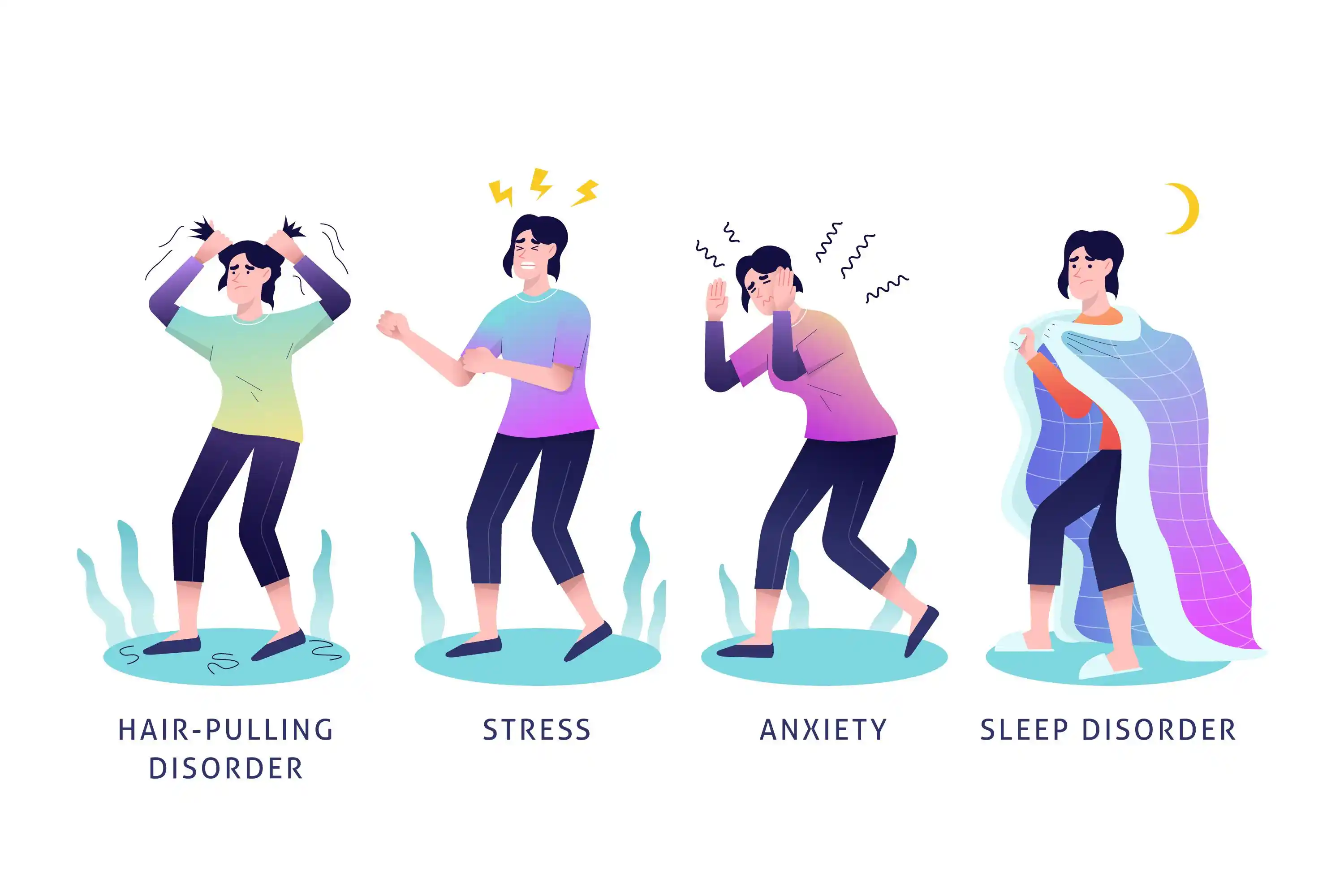
The Mechanism: Why Your Body Attacks Itself
To understand the symptoms, you must understand the system. When your brain perceives a threat (whether it's a tiger or an angry email), the Hypothalamus activates the HPA Axis (Hypothalamic-Pituitary-Adrenal).
- Adrenaline: Spikes your heart rate and blood pressure instantly.
- Cortisol: Floods the bloodstream with glucose (sugar) for quick energy and suppresses "non-essential" functions like digestion, immunity, and reproductive health.
This "Fight or Flight" response saves your life in an emergency. But when it stays "ON" for weeks or months, it becomes toxic.
1. The Cardiovascular Strain (The Silent Killer)
The cardiovascular system bears the brunt of the stress response. Chronic adrenaline keeps your heart beating faster and your blood vessels constricted, forcing your heart to work overtime, 24/7.
- Palpitations: Feeling like your heart is skipping a beat or pounding out of your chest.
- Hypertension: Constricted blood vessels lead to high blood pressure, the leading cause of strokes.
- Elevated Resting Heart Rate (RHR): A high RHR is a key indicator of high cortisol levels.
Check Your Vitals Immediately
Stress is a major driver of "Silent Hypertension." Don't guess. Use our tools to assess your cardiovascular load:
- Blood Pressure Analyzer - Is your BP in the danger zone?
- Heart Rate Calculator - Is your resting heart rate too high?
2. The Musculoskeletal Vice (The "Armor")
When stressed, muscles tense up to protect the body from injury. This is called "reflexive guarding." Chronic stress means your muscles never relax.
- Tension Headaches: A tight band of pain around the forehead, caused by neck and scalp tension.
- TMJ / Jaw Clenching: Grinding teeth at night (Bruxism) is a classic sign of suppressed daytime stress.
- The "Text Neck" Compound: Stress exacerbates poor posture, leading to severe shoulder and back pain.
3. The Gut-Brain Axis Destruction
Have you ever felt "butterflies" in your stomach? That is the Gut-Brain connection. The gut produces 95% of your serotonin (the happy chemical). Stress disrupts this delicate ecosystem.
- IBS Flare-ups: Stress changes the speed of food moving through the body, causing either diarrhea or constipation.
- Acid Reflux: Stress increases stomach acid sensitivity. (Related: Is Peanut Butter Good for Reflux?)
- Bloating: Cortisol causes inflammation in the gut lining.
4. The Sleep Thief
This is a vicious cycle. Stress causes insomnia, and insomnia causes more stress.
High cortisol levels at night prevent the body from cooling down and entering Deep Sleep. You might fall asleep from exhaustion but wake up at 3 AM with a racing mind. This creates "Sleep Debt" that destroys your cognitive function.
Action Step: Are you accumulating dangerous levels of fatigue? Calculate it now with our Sleep Debt Calculator.

5. Skin and Hair: The Visual Evidence
Stress literally makes you ugly. It accelerates cellular aging and disrupts the skin barrier.
- Telogen Effluvium (Hair Loss): Severe stress pushes hair follicles into a "resting phase." 3 months later, that hair falls out in clumps.
- Cortisol Acne: Stress increases oil production, leading to deep, painful cystic acne, usually along the jawline.
- Eczema & Psoriasis: Stress triggers inflammation that causes skin conditions to flare up aggressively.
6. Nutritional Depletion & Immunity
Making stress hormones is expensive for the body. It burns through your nutrient reserves rapidly.
- Magnesium Burn: Stress depletes magnesium, which leads to muscle cramps, anxiety, and heart palpitations.
- Vitamin B Depletion: Your nervous system burns B vitamins to manage the stress load, leading to fatigue.
Are You Running on Empty?
If you are stressed, your nutrient needs are higher than normal. Check if your diet is keeping up with the demand using our Vitamin Deficiency Calculator.
7. Vision Issues: The "Twitch"
High adrenaline causes pupil dilation (to see the "threat" better). Chronic dilation leads to light sensitivity, blurred vision, and the infamous eye twitch (myokymia).
Furthermore, we often "doomscroll" to numb our stress, which worsens the strain.
Check your digital risk: Screen Time & Eye Strain Calculator.
The Danger of "Coping Mechanisms"
Often, the physical damage comes not from the stress itself, but from how we try to manage it.
The Nicotine Trap
Smokers report that smoking "relaxes" them. Biologically, this is false. Nicotine is a stimulant that raises heart rate and cortisol. The "relaxation" is just the relief of withdrawal symptoms. Stress smoking accelerates heart disease.
Ready to stop? See the financial and health benefits with our Quit Smoking Calculator.
The Comfort Food Trap
Cortisol makes you crave high-fat, high-sugar foods (visceral fat storage). This is a survival mechanism for "famine," but today it just leads to metabolic syndrome.
Track your intake: Get back on track with our Calorie Calculator.
Conclusion: Listen to the Whispers
Your body is smart. It whispers before it screams. The headache, the twitching eye, the poor sleep—these are not annoyances; they are requests for help.
You cannot eliminate stress, but you can manage your physiological response. Start by measuring your vitals, prioritizing sleep, and feeding your body the nutrients it is burning. Don't wait for the crash.