Foods to Avoid with Gout: The Ultimate Guide to Managing Flares
The Science: Why Does Food Cause Pain?
To control gout, you must understand the enemy: Uric Acid.
Uric acid is a waste product created when your body breaks down chemicals called purines. Purines are found naturally in your body, but they are also found in high concentrations in certain foods.

- You eat food rich in purines (steak, beer, shellfish).
- Your body breaks these purines down into uric acid.
- Normally, your kidneys filter uric acid out through urine.
- If you produce too much or excrete too little, it builds up in the blood (Hyperuricemia).
- Excess uric acid forms sharp, needle-like crystals in your joints, causing the intense pain of a gout attack.
Monitor Your Kidney Health
Since gout is closely linked to kidney function, it's important to monitor related health metrics. Check your Blood Pressure regularly, as hypertension often accompanies gout. Also, use our Cholesterol Ratio Calculator since gout increases heart disease risk.
The "Red Zone": Foods to Strictly Avoid
These foods are high-purine bombs. If you are prone to gout attacks, these should be eliminated from your diet or consumed extremely rarely.
| Food Category | Specific Foods to Avoid | Why They're Bad | Safe Alternative |
|---|---|---|---|
| Organ Meats | Liver, Kidneys, Heart | Highest purine concentration | Chicken breast |
| Seafood | Shrimp, Lobster, Anchovies | High in purines | Salmon (moderation) |
| Alcohol | Beer, Spirits | Increases uric acid production | Water, Cherry juice |
| Sugary Drinks | Soda, Fruit juice | High fructose increases purines | Water, Herbal tea |
The Hidden Villain: Fructose and Sugar
For years, doctors only focused on meat and alcohol. However, recent research has uncovered a new enemy: High Fructose Corn Syrup (HFCS).
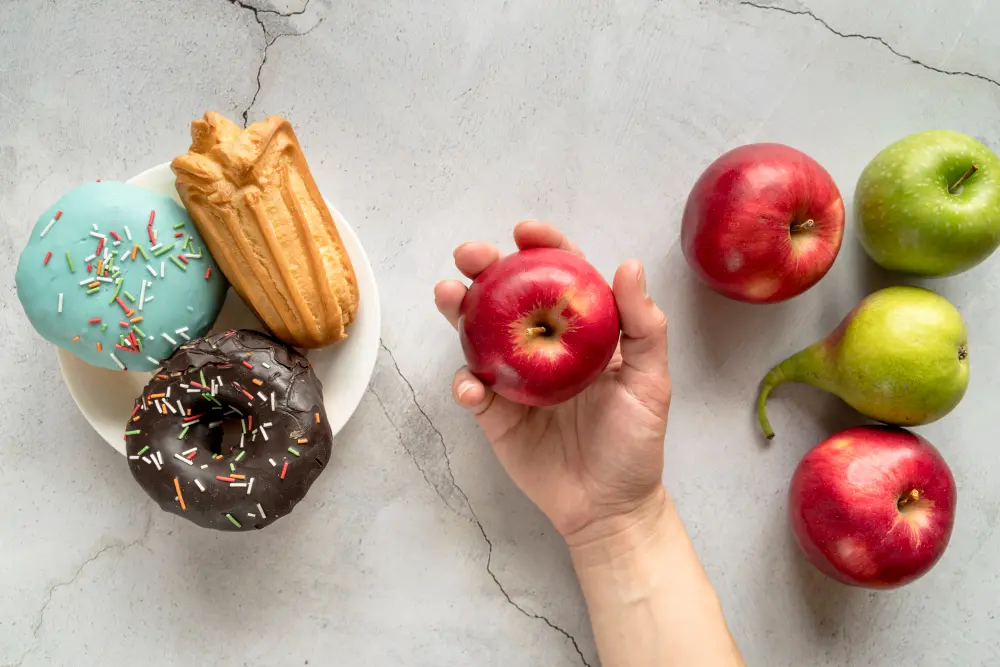
Foods to Check for HFCS:
- Sugary sodas (The #1 dietary cause of gout in the modern era).
- Store-bought fruit juices (orange juice, apple juice).
- Processed pastries, donuts, and cookies (as seen in the image above).
- Sweetened breakfast cereals.
Weight Management is Crucial
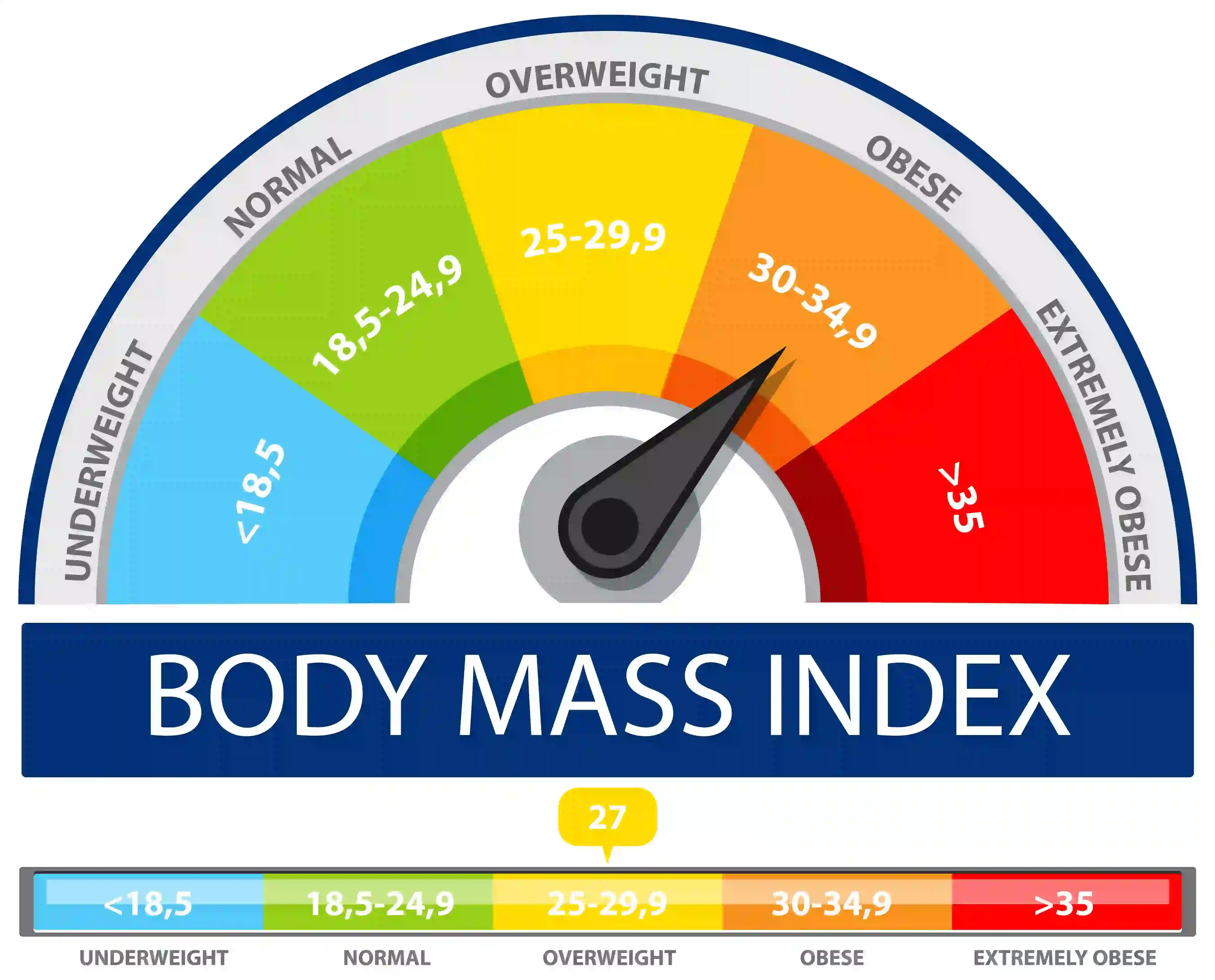
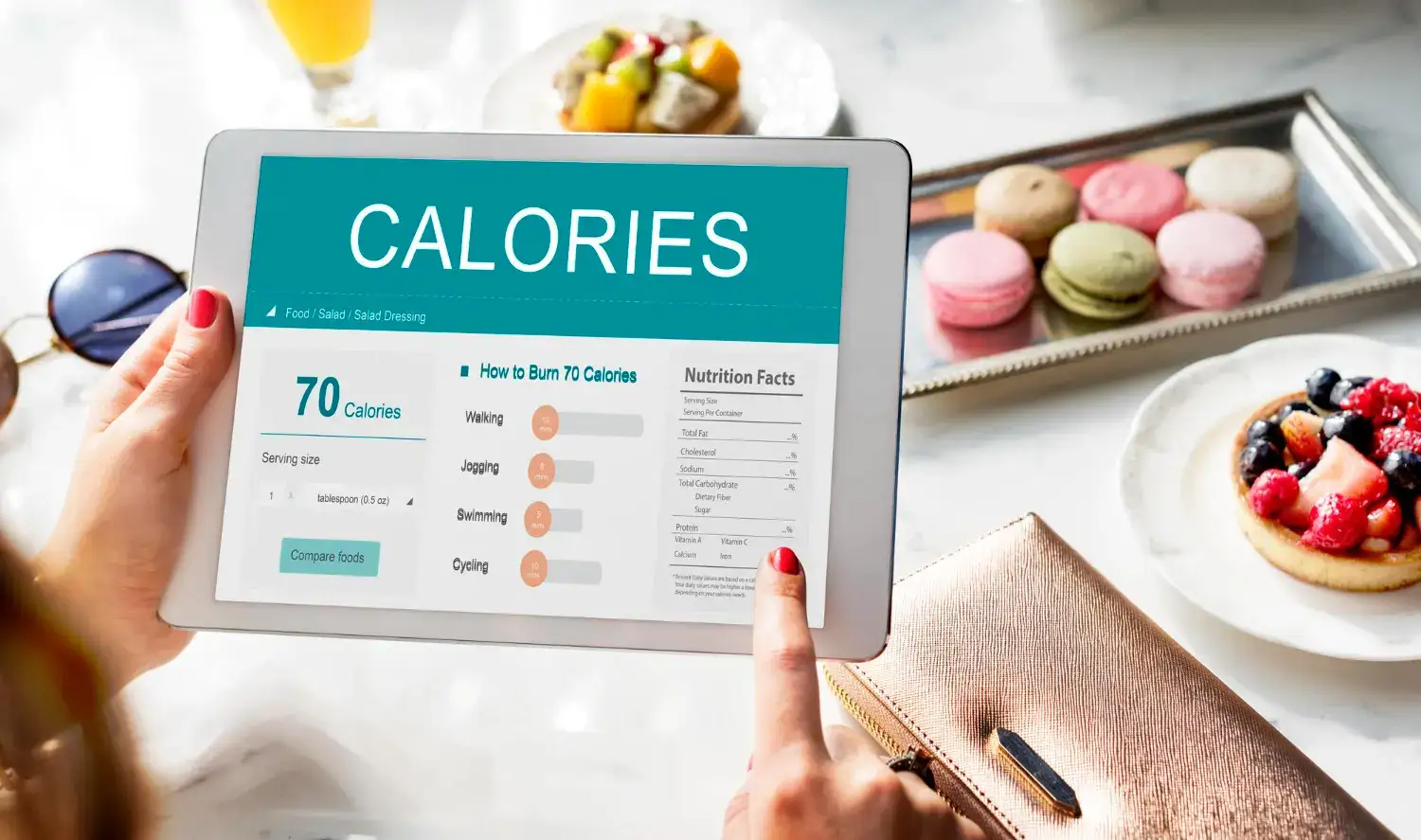
Being overweight increases uric acid production. However, avoid crash diets as rapid weight loss can trigger gout attacks. For healthy weight management, use our Calorie Calculator to find your maintenance calories and our BMI Calculator to track your progress.
The "Green Zone": Best Foods for Gout Relief
Now that we know what to avoid, what can you actually eat? Some foods actively help your body lower uric acid levels.
1. Cherries and Berries
Cherries are the superstar of the gout world. They contain anthocyanins, which have powerful anti-inflammatory properties. Studies suggest that eating cherries (or drinking tart cherry juice) can reduce the risk of a gout attack by up to 35%.
2. Vitamin C
Foods rich in Vitamin C (or supplements) help the kidneys excrete uric acid.
- Oranges (eat the fruit, avoid the sugary juice)
- Bell peppers
- Strawberries
- Broccoli
3. Water (The Cheapest Medicine)
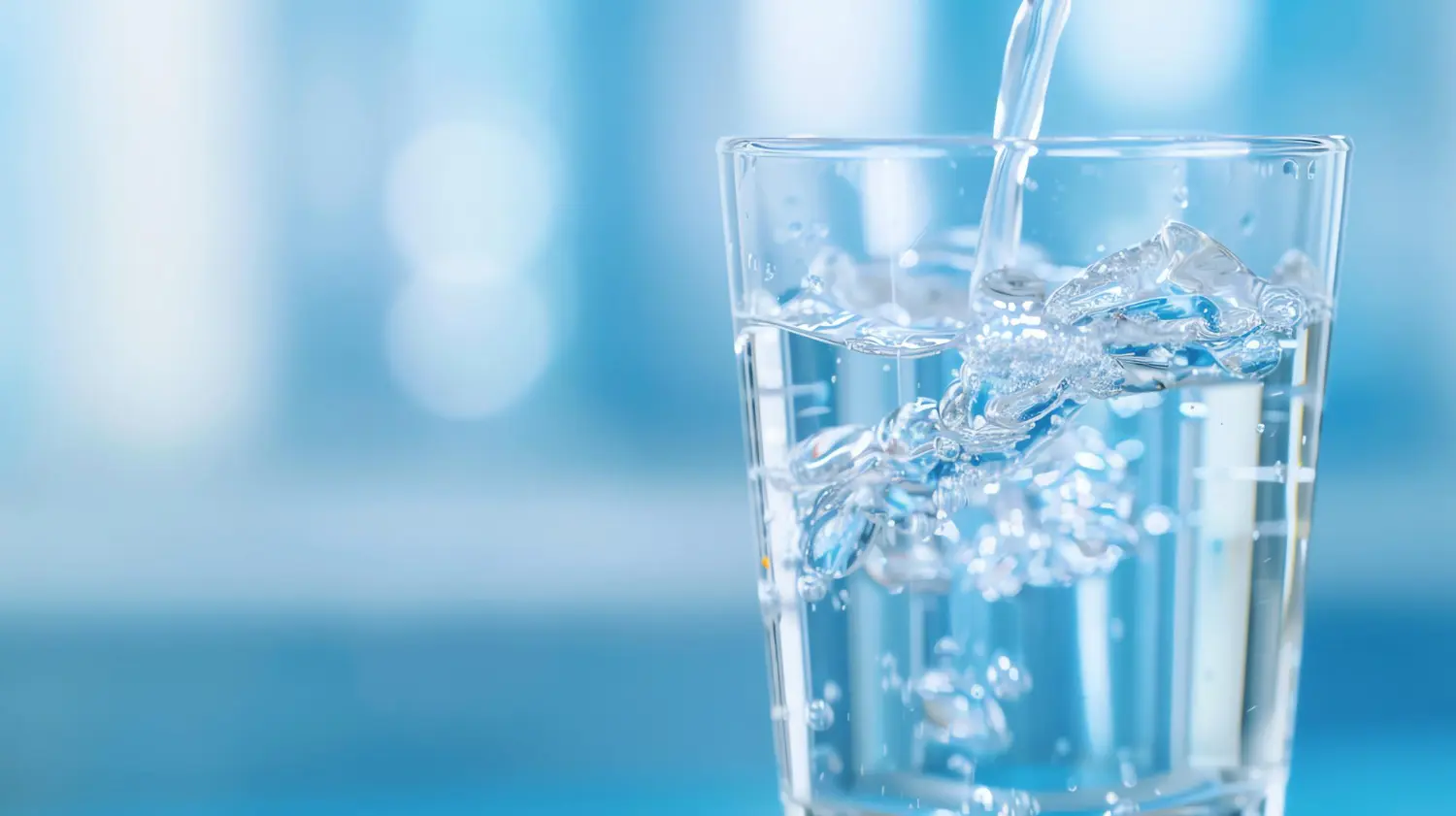
Dehydration is a primary trigger for attacks. When you are dehydrated, your blood becomes more concentrated, making it easier for crystals to form. Aim for at least 3 liters of water a day. Think of it as "diluting" the problem.
Calculate Your Hydration Needs
Proper hydration is essential for flushing uric acid. Use our Daily Water Intake Calculator to determine exactly how much water you need based on your weight, activity level, and climate.
Sample Gout-Friendly Menu (1 Day)
| Meal | Menu Idea | Nutrition Focus |
|---|---|---|
| Breakfast | Oatmeal with low-fat milk, topped with fresh cherries and walnuts. Black coffee. | Low purine, high fiber |
| Lunch | Large salad with grilled chicken breast (skinless), quinoa, cucumbers, and olive oil dressing. | Lean protein, antioxidants |
| Dinner | Baked lemon-herb tilapia (white fish is safer than oily fish), steamed broccoli, and brown rice. | Low-fat, anti-inflammatory |
1. Anti-Inflammatory Cherry Smoothie
Start your day with a blast of antioxidants.
- Ingredients: 1 cup frozen tart cherries, 1/2 banana, 1 cup unsweetened almond milk, 1 scoop plain pea protein (optional), 1 tsp chia seeds.
- Instructions: Blend until smooth. Drink immediately.
Lifestyle Factors: It's Not Just About Food
While diet is 80% of the battle, other factors play a role.
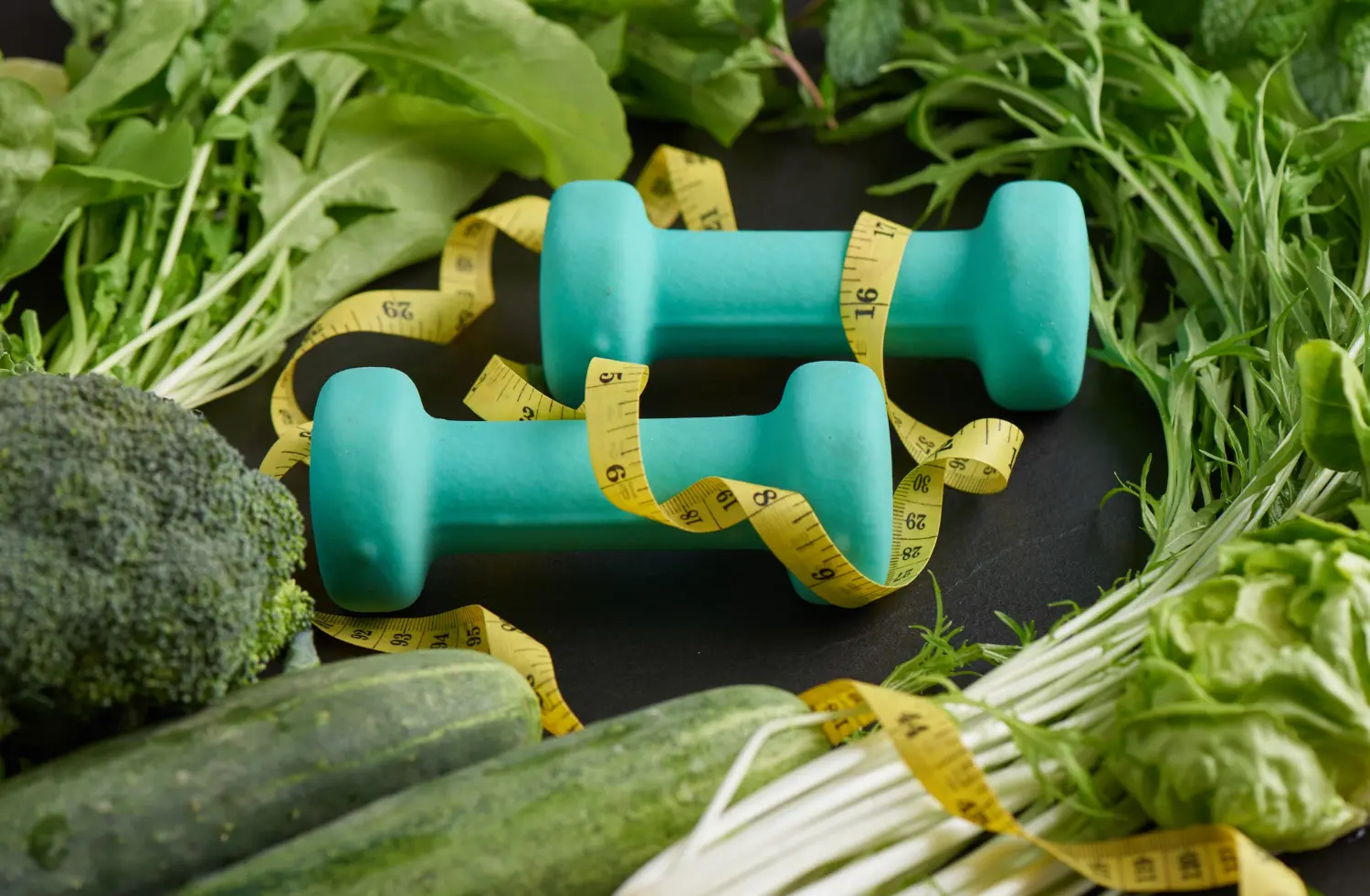
- Weight Management: Being overweight increases uric acid production. However, avoid crash diets. Losing weight too quickly can actually cause a gout attack because burning fat releases ketones, which compete with uric acid for excretion in the kidneys. Aim for slow, steady weight loss.
- Exercise: Regular physical activity helps with weight management and improves insulin sensitivity. Use our Heart Rate Zone Calculator to find your optimal fat-burning zone for safe, effective exercise.
Optimize Your Nutrition
Managing gout requires balanced nutrition. Use our Macronutrient Calculator to ensure you're getting the right balance of protein, carbs, and fats for your needs. Also, check our Ideal Weight Calculator to set realistic weight goals.
Traveling with Gout: How to Avoid Vacation Flares
Nothing ruins a holiday faster than a gout attack. Travel often disrupts our routine, leading to dehydration and poor food choices. Here is your survival guide:
- Hydrate on the Plane: Cabin air is incredibly dehydrating. Drink one cup of water for every hour of flight time. Avoid the free alcohol service.
- Pack an "Emergency Kit": Always carry your prescribed gout medication (like Colchicine or NSAIDs) in your carry-on bag, never in checked luggage.
- Check Restaurant Menus: Before dining out, look up the menu online. Decide on a safe option (like grilled fish or a salad) beforehand so you aren't tempted by the "specials."
FAQ: Common Questions About Gout Diet
Are eggs bad for gout?
No. Eggs are actually a great protein source for people with gout because they are very low in purines. Boiled or poached eggs are an excellent alternative to meat for breakfast.
Can I eat tomatoes?
This is controversial. Some anecdotal reports suggest tomatoes trigger flares for some people, likely due to glutamate or phenolic acid. However, scientific data is mixed. If you notice tomatoes trigger your pain, avoid them; otherwise, they are generally healthy.
What is the worst drink for gout?
Beer is the worst alcoholic drink, and high-fructose corn syrup soda (like Coke or Pepsi) is the worst non-alcoholic drink. Water is the best.
Your Gout Management Toolkit
Take control of your health with these essential tools:
- Water Calculator - Stay hydrated
- Calorie Calculator - Manage weight
- BMI Calculator - Track progress
- Blood Pressure Analyzer - Monitor heart health
- Macronutrient Calculator - Balance nutrition
Conclusion: Take Back Control
A diagnosis of gout is not a life sentence of bland food. It is an invitation to eat healthier. By swapping the liver and beer for grilled chicken, cherries, and water, you aren't just preventing toe pain—you are lowering your risk of heart disease, diabetes, and kidney stones.