How to Practice Mindfulness for Beginners: A Science-Backed Guide to Living in the Now
The Epidemic of "Autopilot Mode"
How many times have you driven home and realized you don't remember the journey? How often do you finish a meal without tasting a single bite because you were scrolling through your phone? This is called living on Autopilot.
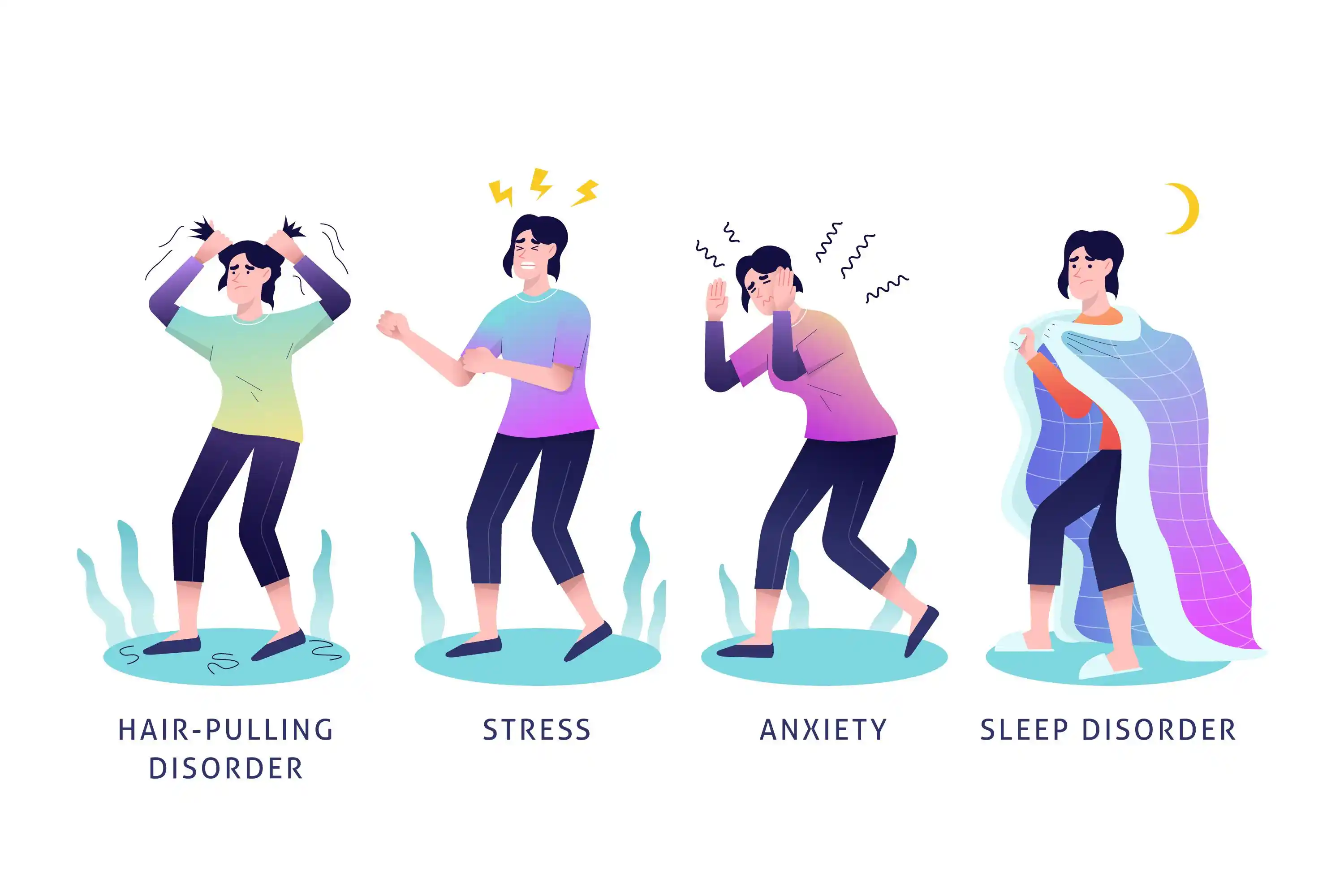
In our modern, hyper-connected world, our bodies are present, but our minds are usually somewhere else—worrying about a future deadline or regretting a past conversation. This state of constant mental time-travel is a primary driver of chronic stress and anxiety.
Mindfulness is the antidote. It is not a mystical religious practice or about "emptying your mind" of thoughts. It is a simple, secular mental training: The ability to be fully present, aware of where we are and what we’re doing, and not overly reactive or overwhelmed by what’s going on around us.

In this comprehensive guide, we will strip away the jargon and give you practical, proven tools to integrate mindfulness into your chaotic daily life.
The Neuroscience: What Happens to Your Brain?
Mindfulness is not just a "feeling"; it changes the physical structure of your brain (Neuroplasticity). Harvard researchers have found that consistent mindfulness practice leads to:
- Shrinking the Amygdala: This is the brain's "fear center," responsible for the fight-or-flight stress response. A smaller amygdala means you are less reactive to stress.
- Thickening the Prefrontal Cortex: This area is responsible for decision-making, concentration, and emotional regulation.
Measure the Physical Impact
Mindfulness is one of the most effective non-pharmaceutical ways to lower blood pressure. Don't just take our word for it—track your numbers. Use our Blood Pressure Analyzer to see how daily practice improves your cardiovascular health over time.
Myth-Busting: What Mindfulness Is NOT
Before we start, let's clear up the misconceptions that make beginners quit.
- Myth 1: "I have to stop thinking." Impossible. The goal isn't to stop thoughts, but to notice them without getting swept away by them. Imagine sitting on a riverbank watching leaves (thoughts) float by, rather than jumping into the river to catch them.
- Myth 2: "I need to sit cross-legged for an hour." You can be mindful while washing dishes, walking the dog, or sitting in an office chair for 60 seconds.
- Myth 3: "It will instantly make me happy." Mindfulness creates clarity, not necessarily euphoria. Sometimes, it means mindfully noticing that you are sad or angry, and accepting that without judgment.
Technique 1: The "1-Minute Reset" (Breathing)
This is the foundational exercise. You can do this anywhere—in a meeting, in traffic, or before bed.
- Sit comfortably. Keep your back straight but relaxed.
- Focus on the breath. Don't change it. Just notice the sensation of air entering your nostrils and filling your lungs.
- Notice the distraction. Within seconds, your mind will wander ("What's for dinner?", "Did I send that email?"). This is normal.
- The "Rep". The moment you notice you've wandered and gently bring your attention back to the breath, you have completed one "rep" of mindfulness. That moment of return is the magic.
Biofeedback Check
Deep, mindful breathing activates the Vagus Nerve, lowering your heart rate instantly. Check your pulse before and after this exercise with our Heart Rate Calculator to see the immediate physiological effect.
Technique 2: The Body Scan (Connecting to the Physical)
We often live "in our heads," completely ignoring our physical bodies until we are in pain. The Body Scan reconnects the two.
- Start at your toes. Are they cold? Warm? Tense? Wiggling?
- Move up to your ankles, calves, knees, thighs.
- Notice your stomach. Is it tight with anxiety? Relax it.
- Notice your jaw. Are you clenching it? Drop your tongue from the roof of your mouth.
This technique is particularly powerful for falling asleep because it shifts energy away from racing thoughts.
Struggling with insomnia? Combine this technique with our Sleep Cycle Calculator for a perfect night's rest.

Technique 3: The "5-4-3-2-1" Method (Grounding)
This is an active mindfulness tool perfect for moments of high anxiety or panic. It forces your brain to engage with the present environment through the senses.
- 5 things you can see (The texture of the wall, the light on the floor).
- 4 things you can feel (Your feet on the ground, the fabric of your shirt).
- 3 things you can hear (Traffic, birds, the hum of the fridge).
- 2 things you can smell (Coffee, rain, or just fresh air).
- 1 thing you can taste (A sip of water, or the lingering taste of toothpaste).
Applying Mindfulness to Bad Habits
Mindfulness is the enemy of addiction. Most bad habits (smoking, overeating, doomscrolling) rely on the "Autopilot" loop: Trigger -> Action -> Reward.
Mindfulness for Smokers: "Urge Surfing"
When a craving hits, instead of fighting it or giving in immediately, just observe it. Notice the physical sensation of the craving. Is it tightness in the chest? A restless feeling? Watch the sensation rise like a wave, peak, and eventually crash and fade. You don't have to act on it; you just have to surf it.
Ready to quit for good? See the massive benefits with our Quit Smoking Calculator.
Mindful Eating
Instead of inhaling your lunch while answering emails, try eating one meal in silence. Look at the colors. Smell the spices. Chew slowly. You will find that you enjoy the food more and feel full faster.
Tracking your nutrition? Use our Macronutrient Calculator to support your mindful eating journey.
The Digital Detox Challenge
You cannot be mindful when you are being bombarded by thousands of notifications. Our phones are "mindfulness kryptonite."
Start small: Create "Phone-Free Zones" in your house (like the bedroom or dinner table). Notice the urge to check your phone when you are bored. That urge is a withdrawal symptom from dopamine.
Curious about your digital addiction? Assess your risk with our Screen Time & Eye Strain Calculator.
Conclusion: The Practice of Returning
Mindfulness is not a destination; it is a practice. You will fail. You will get distracted. You will forget to be mindful for days at a time. That is okay.
The victory is not in never wandering; the victory is in waking up, realizing you wandered, and gently coming back to the present moment. Start today. Take one deep breath. Look at the screen in front of you. Feel your feet on the floor. You are here. You are alive.
Your Mindfulness Toolkit
Enhance your practice with these tools:
- Screen Time Calculator - Reclaim your attention.
- Sleep Cycle Calculator - Rest your mind.
- Heart Rate Calculator - Connect with your body.
- Blood Pressure Analyzer - Monitor stress reduction.