Is Peanut Butter Good for Acid Reflux? The Ultimate Guide to Snacking with GERD
Introduction: The Comfort Food Conundrum
For millions of people, peanut butter is a pantry staple—a creamy, savory comfort food perfect for toast, smoothies, or eating straight from the spoon. However, for those suffering from Gastroesophageal Reflux Disease (GERD) or occasional heartburn, navigating the pantry can feel like walking through a minefield.
One of the most frequently asked questions in the digestive health community is: "Is peanut butter good for acid reflux, or will it set my chest on fire?"
The answer is not a simple "yes" or "no." It is nuanced. While peanut butter is nutrient-dense, its high fat content can be a double-edged sword for reflux sufferers. In this comprehensive guide, we will break down the science of digestion, analyze the ingredients in your jar, and help you decide if peanut butter belongs in your GERD-friendly diet.
Disclaimer: The content provided in this article is for informational purposes only and does not constitute medical advice. Always consult with a healthcare professional regarding dietary changes and gastrointestinal conditions.
Part 1: Understanding the Mechanism of GERD
To understand why peanut butter might trigger a reaction, we first need to look at what is happening inside your body during an acid reflux episode.
Reflux occurs when the Lower Esophageal Sphincter (LES)—a ring of muscle acting as a valve between your esophagus and stomach—fails to close properly.
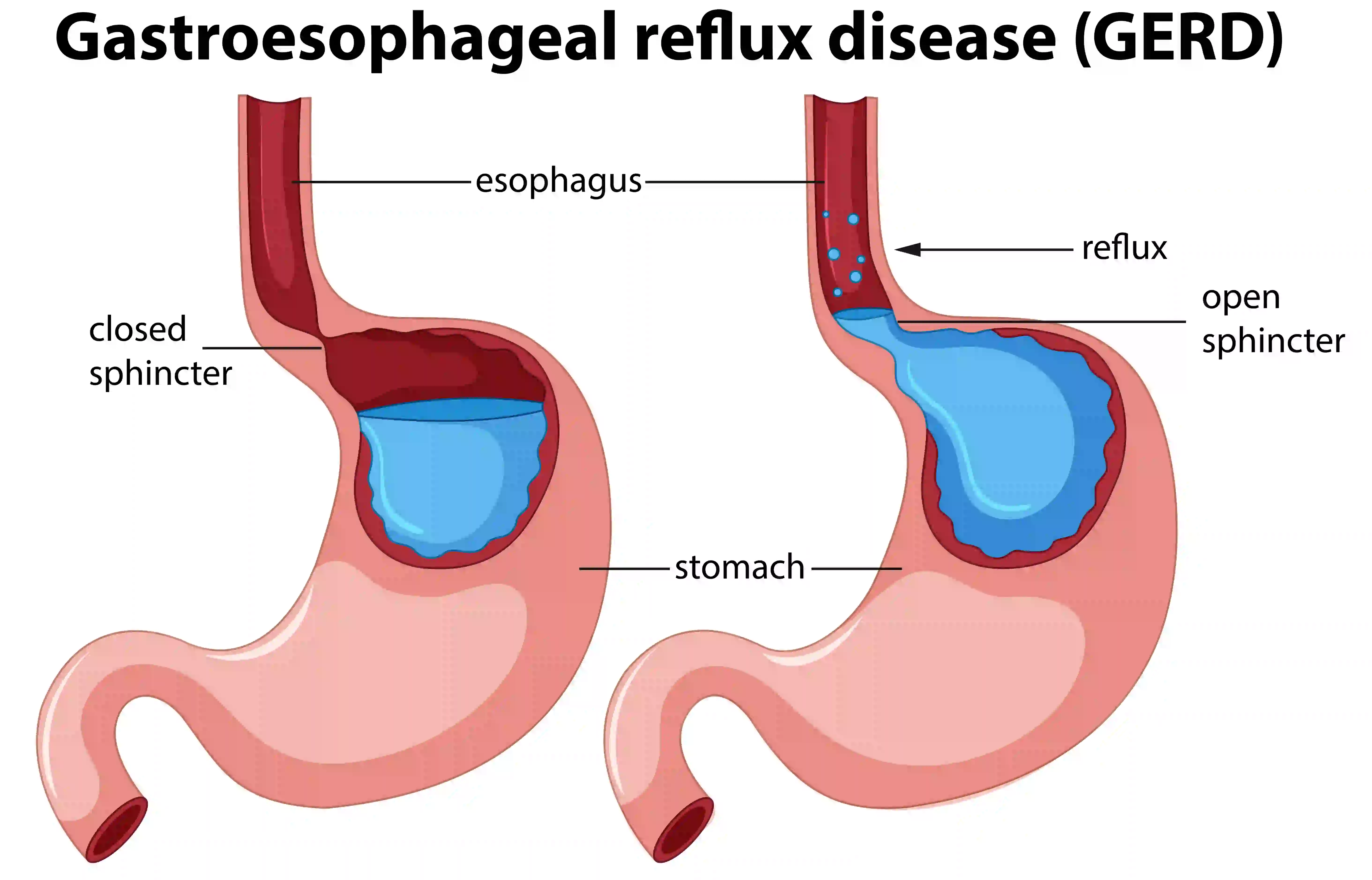
As seen in the diagram above, when the sphincter remains open or relaxes inappropriately, stomach acid flows backward. Certain foods trigger this relaxation or increase stomach pressure. This leads us to the critical question: Where do peanuts fit in?
Part 2: The Nutritional Profile of Peanut Butter
Peanut butter is a powerhouse of energy. However, for an acid reflux sufferer, the macronutrient breakdown is critical.
Key Components in 2 Tablespoons (Approx. 32g):
- Fats: ~16g (This is the primary concern for GERD)
- Protein: ~8g
- Fiber: ~2g
- Carbohydrates: ~7g
- pH Level: Neutral (roughly 6.0 - 7.0)
The Fat Factor
The primary reason peanut butter is debated in the GERD community is its fat content.
- Delayed Gastric Emptying: High-fat foods take longer to digest. They sit in the stomach, keeping it full for longer periods. A distended stomach puts extra pressure on the LES, increasing the risk of the valve popping open.
- LES Relaxation: Studies have shown that dietary fat can trigger the release of cholecystokinin (CCK), a hormone that may relax the lower esophageal sphincter, allowing acid to rise.
The "Good" News
Despite the fat, peanut butter is not acidic. With a pH between 6.0 and 7.0, it is considered neutral. Unlike citrus fruits or tomatoes, peanut butter itself will not add acidity to your stomach environment. Furthermore, the high protein content helps repair esophageal tissue, and the texture can be soothing for some.
Part 3: Not All Peanut Butters Are Created Equal
This is the most critical section for your gut health. If you are going to eat peanut butter with acid reflux, you must choose the right kind.
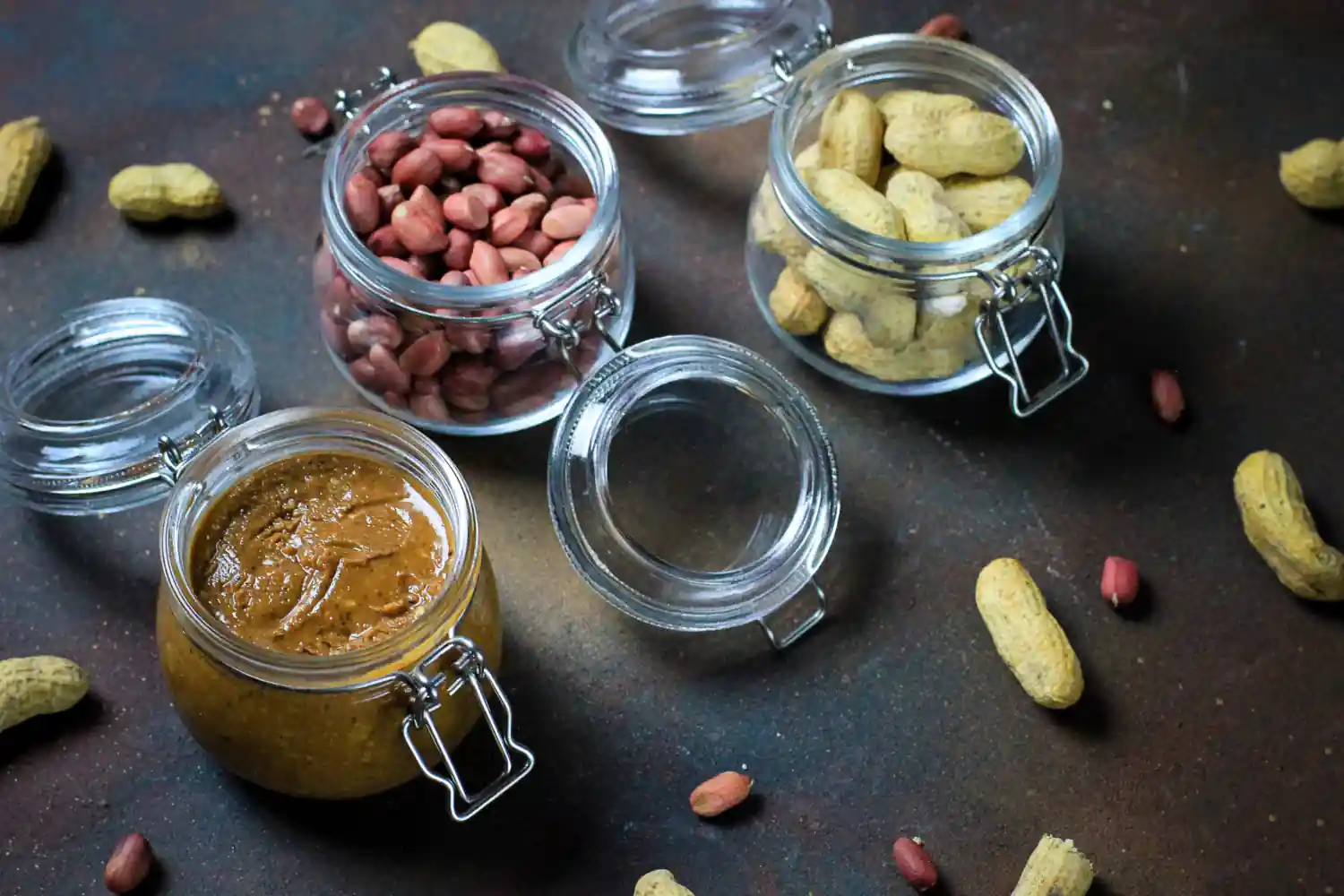
Many commercial peanut butters are highly processed and packed with additives that worsen inflammation and heartburn.
The Comparison: Natural vs. Processed
Using the table below, assess the jar currently in your pantry.
| Feature | Natural Peanut Butter (Best for GERD) | Processed (Commercial) Peanut Butter (Avoid) |
|---|---|---|
| Ingredients | Peanuts, maybe salt. | Peanuts, sugar, hydrogenated vegetable oils, mono- and diglycerides, salt. |
| Fat Type | Monounsaturated (Healthy fats). | Often contains Trans Fats or saturated fats from palm oil. |
| Sugar Content | Low to None. | High (Sugar feeds bad gut bacteria and can cause inflammation). |
| Consistency | Requires stirring (oil separation). | "No-stir" creamy (due to emulsifiers). |
| Reflux Risk | Moderate (due to natural fats). | High (due to additives and unhealthy oils). |
Why the image above matters: In the illustration, you see raw peanuts and a textured paste. This represents the "whole food" approach. The closer your peanut butter is to the raw nut, the better your body can handle it.
Part 4: Smooth vs. Crunchy – Does Texture Matter?
When your esophagus is irritated and inflamed (a condition known as esophagitis), texture plays a massive role in comfort.
- Smooth Peanut Butter: Generally safer. It is easier to swallow and less likely to mechanically irritate an already sore throat or esophagus.
- Chunky/Crunchy Peanut Butter: The sharp edges of crushed peanuts can scratch an inflamed esophagus, causing pain even if they don't trigger acid reflux directly.
Pro Tip: If you are currently experiencing a "flare-up" (active pain), stick to creamy, natural peanut butter.
Part 5: How to Eat Peanut Butter Safely with Acid Reflux
If you love peanut butter and don't want to give it up, you likely don't have to. You just need to change how you eat it. Here is a strategy to minimize risks:
1. The Two-Tablespoon Rule
Portion control is everything. Because fat delays stomach emptying, eating half a jar is a guaranteed recipe for heartburn. Limit yourself to two tablespoons per serving.
2. The Timing
Never eat peanut butter (or any high-fat food) within 3 hours of bedtime. Laying down while your stomach is working hard to digest dense fats will allow gravity to help the acid flow back up past the sphincter.
3. The Perfect Pairings (Alkaline Combinations)
Don't eat it alone. Pair peanut butter with alkaline or fibrous foods to balance the meal and absorb acid.
- Good Pairing: Peanut butter on whole-grain toast (fiber aids digestion).
- Good Pairing: Peanut butter mixed into oatmeal (oatmeal soothes the stomach).
- Good Pairing: Peanut butter with a banana (bananas are low-acid).
- Bad Pairing: Peanut butter with chocolate (chocolate is a major reflux trigger).
- Bad Pairing: Peanut butter with jelly on white bread (high sugar triggers inflammation).
Part 6: Best Alternatives to Peanut Butter for GERD
If you find that even natural peanut butter triggers your symptoms, you might have a sensitivity to peanuts specifically, or the fat content might simply be too high for your threshold. Consider these alternatives:
Powdered Peanut Butter (PB2):
Why: Manufacturers press the peanuts to remove most of the oil.
Result: You get the peanut flavor with 85% less fat. This is often the "Holy Grail" for GERD sufferers who miss peanut butter.
Almond Butter:
Why: While still fatty, almonds are more alkaline-forming than peanuts and contain more fiber and Vitamin E. Many people tolerate almonds better than legumes (peanuts).
Sunflower Seed Butter:
Why: A great nut-free option that is generally gentle on the stomach, though portion control still applies.
Summary: The Final Verdict
So, is peanut butter good for acid reflux?
It depends on the type and the amount.
YES, it can be good: If you choose natural, unsweetened smooth peanut butter, eat it in small amounts (1-2 tablespoons), and pair it with oatmeal or bananas. It provides healthy fats and protein without increasing stomach acidity.
NO, it is bad: If you eat processed peanut butter high in sugar and hydrogenated oils, or if you consume large quantities before lying down. The high fat content will keep your stomach full and put pressure on your LES.
Actionable Steps for the Reader
- Check your pantry: Throw away peanut butter that lists "hydrogenated oil" or "corn syrup" as ingredients.
- Buy Natural: Look for jars where the only ingredient is "Peanuts" (and maybe salt).
- Try the Powder: If you have severe reflux, order powdered peanut butter to enjoy the taste without the heavy fats.
- Keep a Food Journal: Every body is unique. Record how you feel 1 hour after eating peanut butter to see if it is a trigger for you.
Frequently Asked Questions (FAQ)
Q: Can peanut butter help with heartburn at night?
A: Generally, no. Because it is high in fat, eating it before bed can slow digestion and increase the risk of night-time reflux. If you must have a snack, choose something lighter like a banana or low-fat yogurt.
Q: Is almond butter better than peanut butter for GERD?
A: For many people, yes. Almonds are slightly more alkaline and have a different fat profile that some find easier to digest, though both should be eaten in moderation.
Q: Does peanut butter cause gas and bloating?
A: It can. Peanuts are legumes, not nuts. For people with IBS or sensitivity to legumes, peanut butter can cause gas, which increases abdominal pressure and worsens reflux.
Did you find this guide helpful?
If you are looking for more stomach-friendly recipes and health tips, explore our Healthy Eating Section or leave a comment below about your experience with peanut butter!