The Cardiology Masterclass: Decoding Your Cholesterol Numbers
The Cardiology Masterclass: Decoding Your Cholesterol Numbers
For decades, "cholesterol" has been the ultimate villain in cardiovascular health. You've been told to lower it, fear it, and medicate it. But what if we told you that cholesterol itself is not the enemy? In fact, it's a substance so essential that every single cell in your body needs it to survive.
As cardiology specialists, we want to move you beyond the simplistic "good" vs. "bad" narrative. The truth about heart disease risk is far more nuanced. It's not in the *total number*—it's in the *balance*, the *size* of the particles, and most importantly, the *ratio* between them.
This masterclass will teach you how to read your lipid panel like a professional, understand your true risk, and take control of your heart health.
What is Cholesterol? (And Why You Need It)
Cholesterol is a waxy, fat-like substance (a lipid) that is essential for:
- Building the membrane of every cell in your body.
- Producing vital hormones (like estrogen, testosterone, and cortisol).
- Creating Vitamin D from sunlight.
- Producing bile, which helps you digest fats.
Your liver produces about 80% of the cholesterol you need. The other 20% comes from your diet. The problem arises not from cholesterol's *existence*, but from its *transportation*.
The Lipid Panel: Meet the Key Players
Cholesterol and other fats can't dissolve in your blood (which is mostly water). To travel, your body packages them into "taxis" called lipoproteins. Your cholesterol report (lipid panel) measures these taxis.
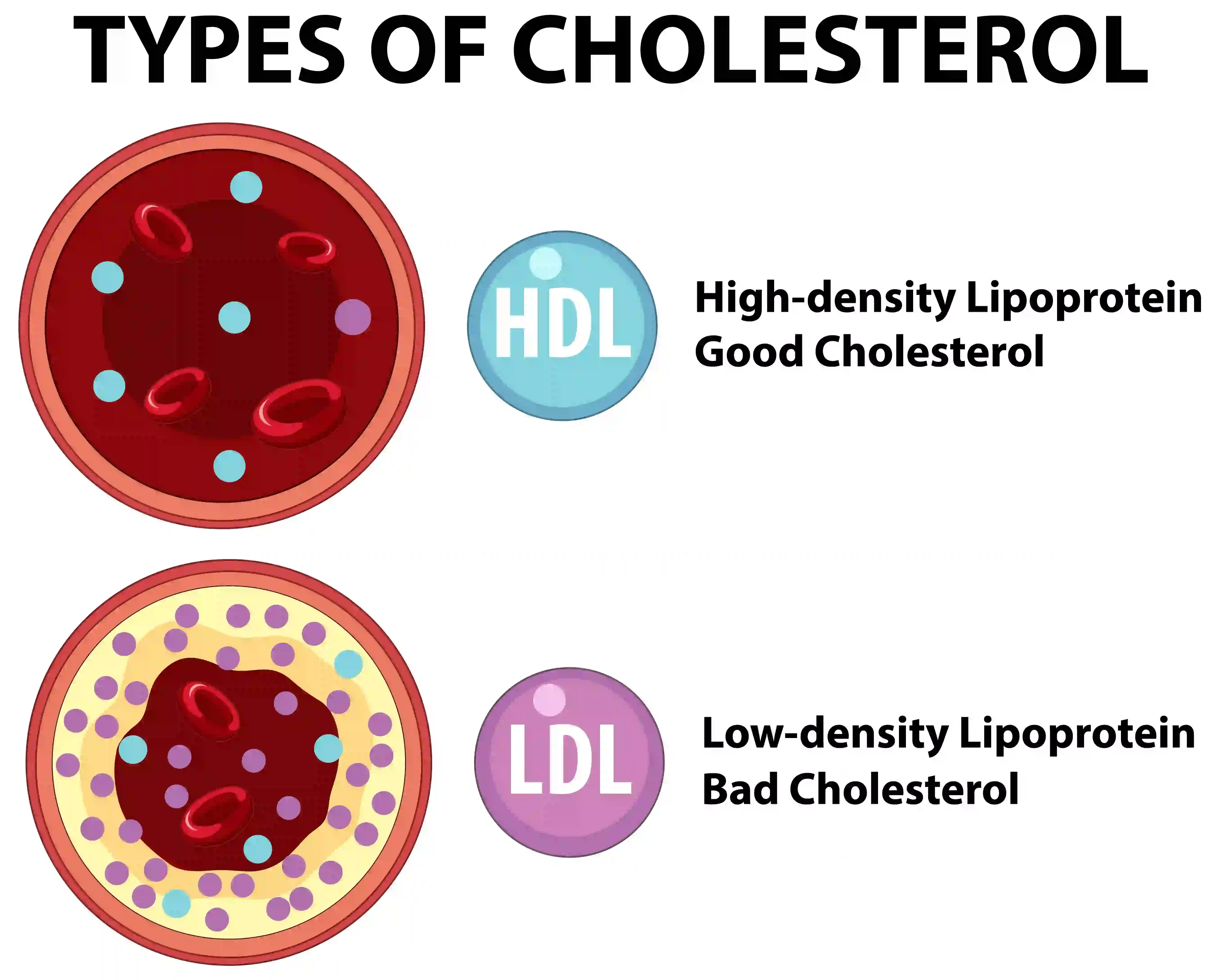
1. Low-Density Lipoprotein (LDL): The "Lousy" Delivery Truck
This is famously known as "bad" cholesterol. But its job is actually vital: to deliver cholesterol *to* the cells. The problem is when there are too many LDL trucks, or they are damaged (oxidized). They can get stuck in your artery walls, causing inflammation and forming the "plaque" (atherosclerosis) that leads to heart attacks and strokes.
2. High-Density Lipoprotein (HDL): The "Helpful" Recycling Crew
This is the "good" cholesterol. HDL's job is to be the cleanup crew. It travels through your arteries, scavenges excess cholesterol (even from plaque), and carries it *back* to your liver to be recycled or excreted. This is called reverse cholesterol transport. Higher HDL levels are protective.
3. Triglycerides: The "Other" Fat
These are not cholesterol, but they are measured in the same panel. Triglycerides are the most common type of fat in your body. They are simply unused calories that your body has stored as energy. High triglycerides are a major risk factor, often linked to high sugar/carbohydrate intake and are a key component of metabolic syndrome.
4. Total Cholesterol: The "Flawed" Metric
This number is simply LDL + HDL + 20% of your Triglycerides. By itself, this number is almost meaningless. Why?
Consider two people with a "Total Cholesterol" of 220 (which is "high"):
- Person A: High LDL, High Triglycerides, Low HDL. (Very High Risk)
- Person B: Low LDL, Low Triglycerides, very High HDL. (Very Low Risk)
Person B is healthy, but their high "good" HDL inflates their "total" number. This is why we *must* look deeper.
The Number That *Actually* Matters: The Cholesterol Ratio
If you learn one thing today, let it be this: Your cardiovascular risk is best predicted by the *ratio* of your cholesterol numbers, not the total.
The most powerful, clinically-relevant number is your Total Cholesterol to HDL Ratio (TC/HDL). This number tells you how many "delivery trucks" (Total) you have compared to your "cleanup crew" (HDL).
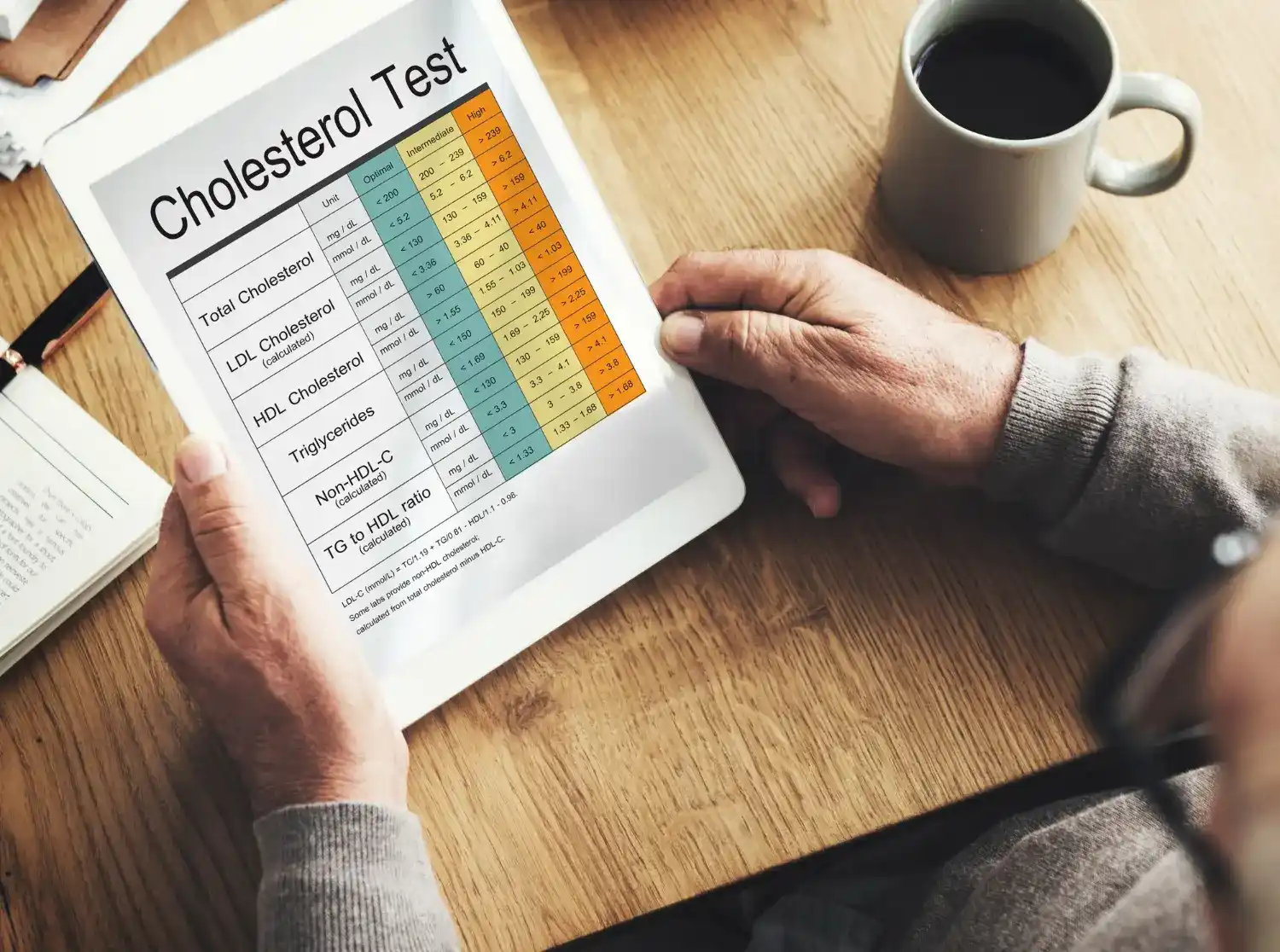
Here is a simple breakdown of the risk associated with this ratio:
- Ideal Ratio: 3.5 or lower
- Good Ratio: 3.6 - 4.9
- Borderline Risk: 5.0 - 6.0
- High Risk: 6.0 or higher
This single number is a far better predictor of heart disease than Total Cholesterol or even LDL alone. It is the number your doctor is (or should be) watching most closely.
Find Your True Risk, Instantly
Don't just guess based on your total number. To understand your true cardiovascular risk profile, you need to calculate this ratio. Use our Cholesterol Ratio Calculator to get a clear, personalized, and far more accurate picture of your heart health in seconds.
A Cardiologist's Action Plan: How to Improve Your Numbers
Your lipid panel is not a life sentence; it's a data point. Here is how you take action:
1. How to Lower LDL ("Bad")
- Eat Soluble Fiber: Oats, barley, apples, Brussels sprouts, and beans. Soluble fiber literally binds to cholesterol in your digestive tract and removes it from your body.
- Eliminate Trans Fats: Found in many processed, packaged, and fried foods.
- Reduce Saturated Fats: Found in fatty red meats, full-fat dairy, and coconut/palm oils.
2. How to Raise HDL ("Good")
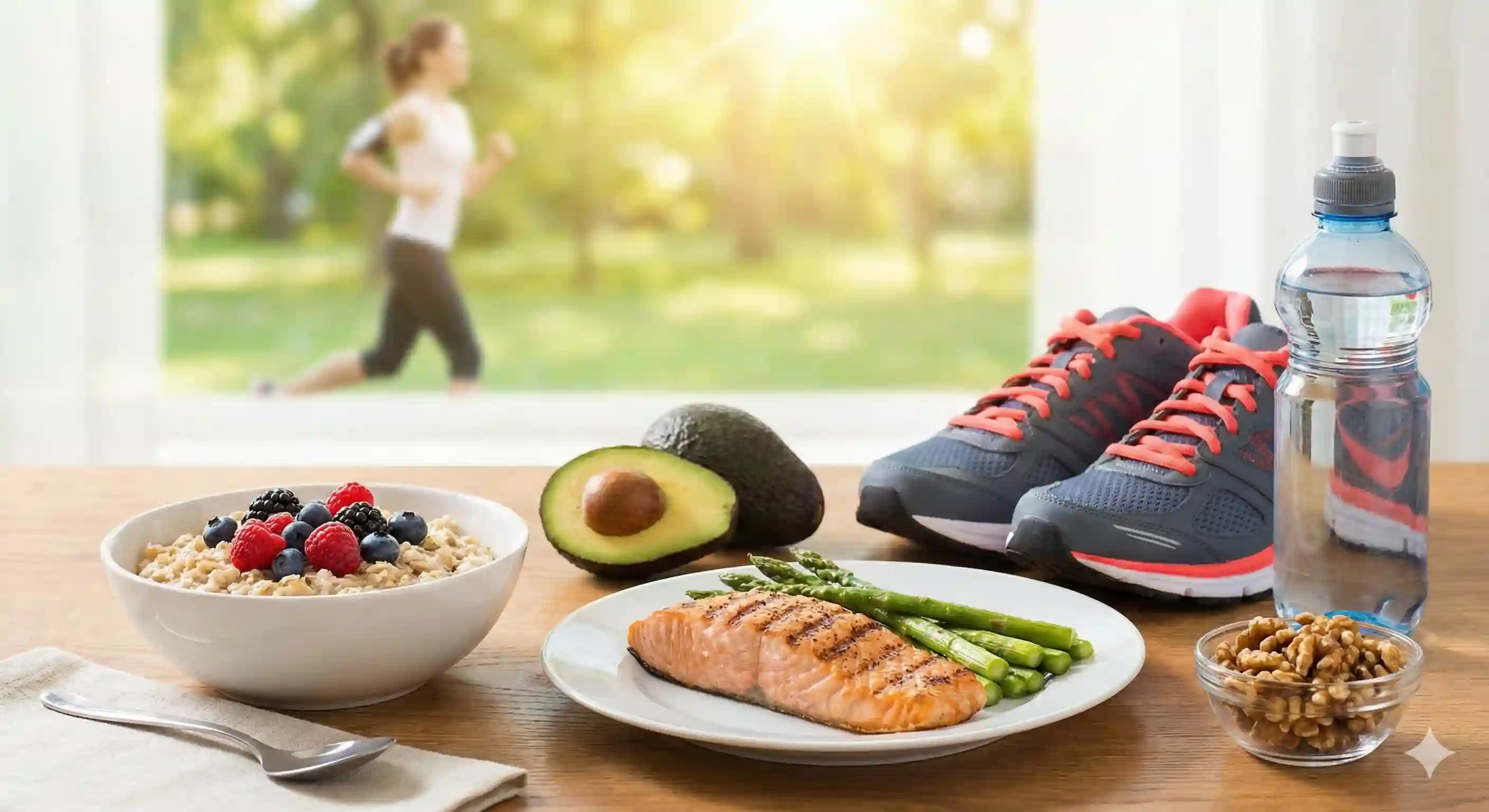
- Aerobic Exercise: This is the #1 way to raise HDL. Brisk walking, running, cycling, or swimming.
- Healthy Fats: Monounsaturated and polyunsaturated fats found in olive oil, avocados, nuts, seeds, and fatty fish (like salmon).
- Don't Smoke: Smoking actively lowers HDL levels.
3. How to Lower Triglycerides
- Cut Sugar & Refined Carbs: This is the most important step. High triglycerides are a direct response to excess sugar and white flour in the diet.
- Exercise: Your muscles will burn stored triglycerides for fuel.
- Increase Omega-3: Fatty fish (salmon, mackerel, sardines) or a quality fish oil supplement.
Conclusion: Knowledge is Your Best Prescription
Your cholesterol numbers are not just a report card; they are a road map. They tell you a story about your diet, your exercise, and your hormonal health. By understanding what these numbers *really* mean—especially the power of the ratio—you can move beyond fear and start making informed, positive changes. Talk to your doctor, understand your ratios, and take control of your heart health today.