Normal Cholesterol Levels by Age: An Easy-to-Read Guide with Chart
Why Understanding Cholesterol Levels Matters
Cholesterol is a topic that often comes up during doctor visits, especially as we get older. You might hear terms like "good" cholesterol, "bad" cholesterol, and various numbers thrown around, which can be confusing. Understanding normal cholesterol levels is crucial because high cholesterol usually has no symptoms but significantly increases your risk of heart disease and stroke.
Maintaining a healthy cholesterol level is a lifelong commitment. Whether you are a concerned parent checking for your child, a young adult, or someone navigating their senior years, knowing where your numbers should stand is the first step toward a healthier heart. This comprehensive, easy-to-read cholesterol guide will break down exactly what those numbers mean, how they change as you age, and present a clear LDL HDL chart to help you interpret your results.
What Is Cholesterol? (Simple Explanation)
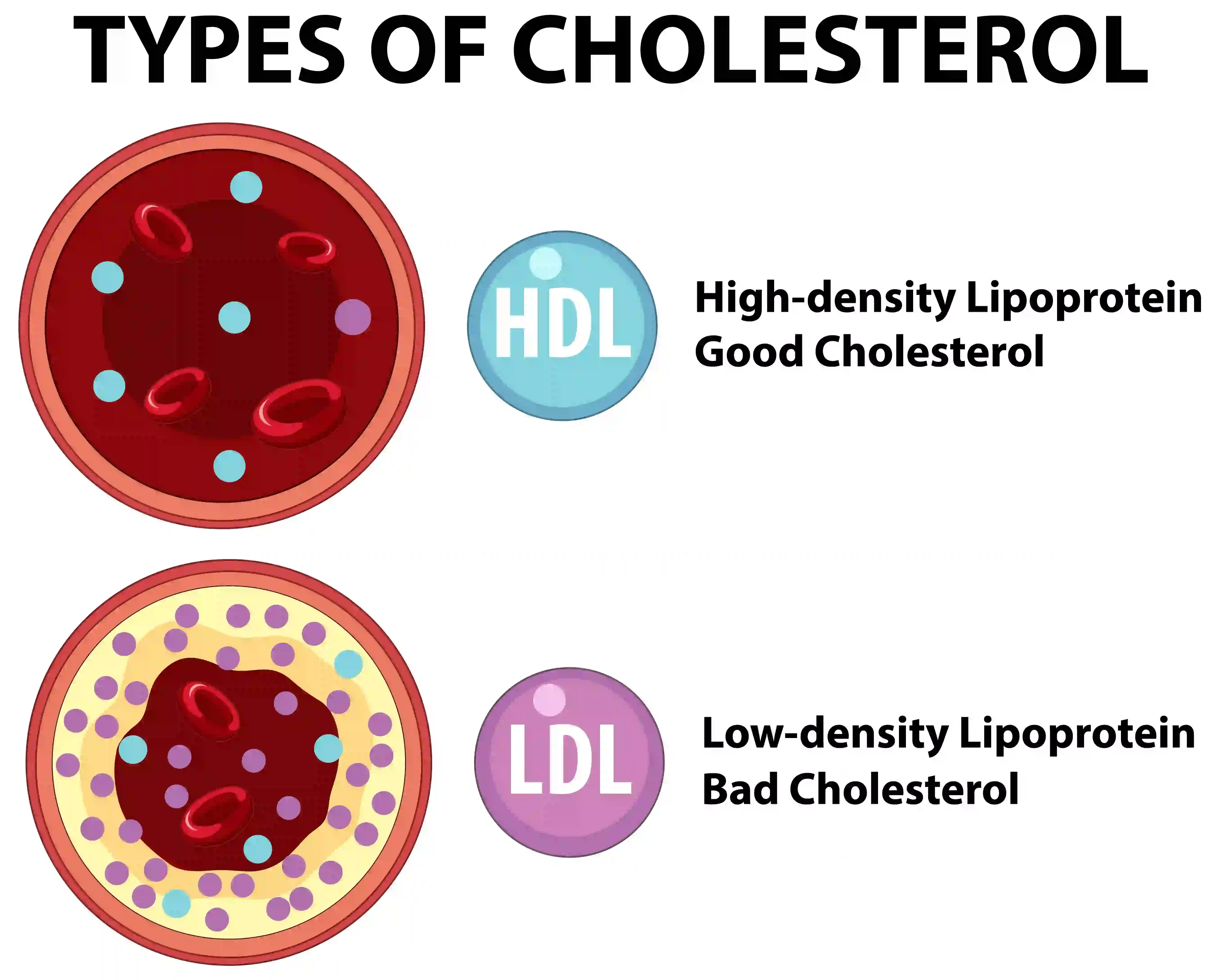
Before diving into the numbers, let's clarify what cholesterol actually is. In simple terms, cholesterol is a waxy, fat-like substance found in every cell of your body. It's not inherently "bad." In fact, your body needs it to build healthy cells, produce hormones, and make vitamin D. Your liver produces all the cholesterol you need.
The problem arises when you have too much cholesterol in your blood, usually due to diet and lifestyle factors. Cholesterol can't dissolve in blood on its own, so it travels through your bloodstream in small packages called lipoproteins.
LDL (Low-Density Lipoprotein) – The "Bad" Guy
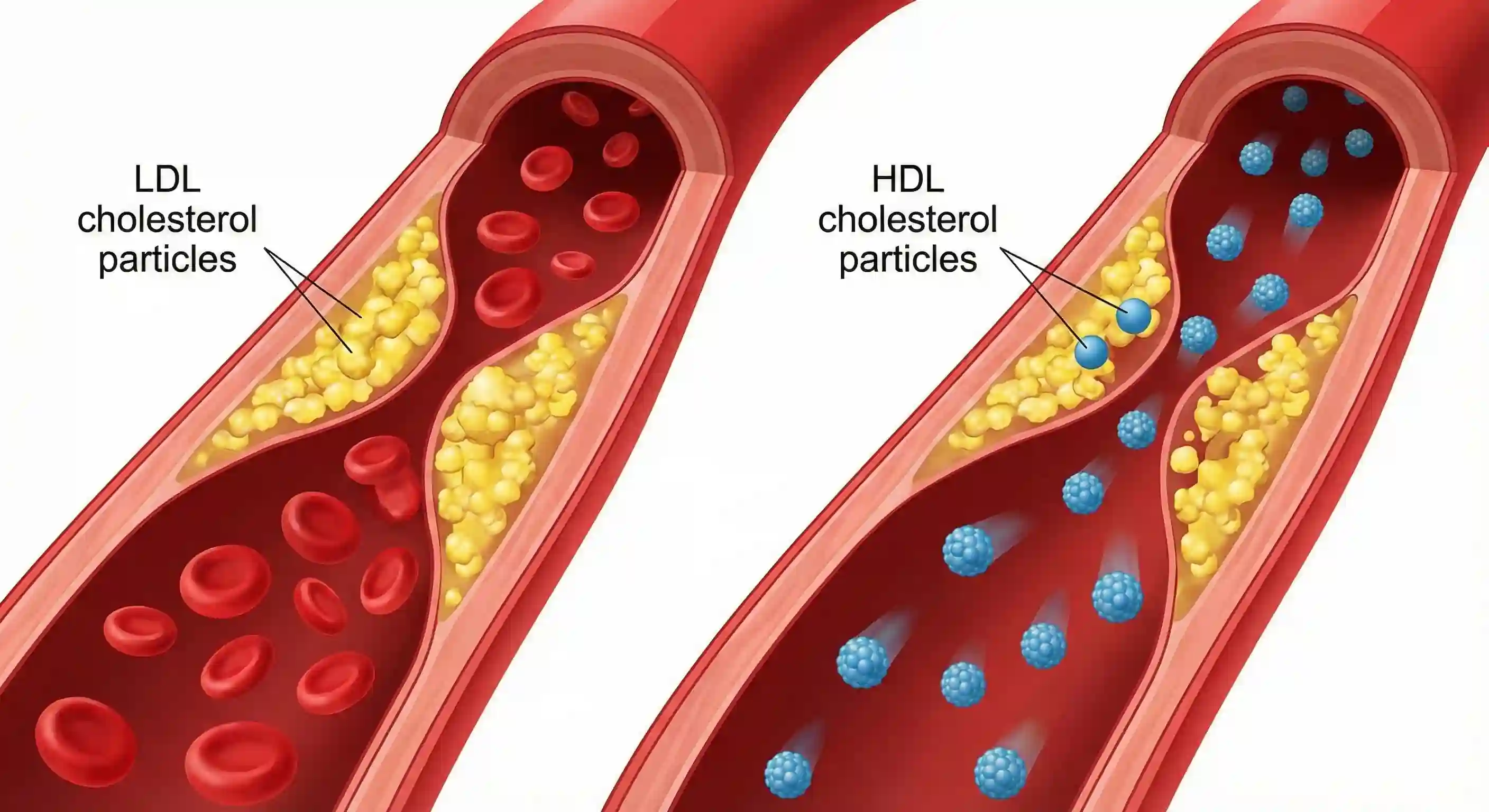
Think of LDL as the "Lousy" cholesterol. It carries cholesterol from your liver to the rest of your body. If there is too much LDL, it can build up on the walls of your arteries, forming plaque. This plaque narrows the arteries, restricting blood flow and raising the risk of heart attacks and strokes. When doctors talk about lowering cholesterol, they are primarily talking about lowering LDL.
HDL (High-Density Lipoprotein) – The "Good" Guy
Think of HDL as the "Healthy" or "Helpful" cholesterol. It acts like a scavenger, picking up excess cholesterol from your bloodstream and arteries and carrying it back to your liver, where it can be broken down and removed from the body. Higher levels of HDL are actually better for your heart health.
Total Cholesterol
This is the sum total of cholesterol in your blood. It includes your LDL, HDL, and a percentage of your triglycerides.
Why Cholesterol Levels Change With Age
You might wonder why cholesterol levels by age tend to shift upwards. It's a natural biological process, though lifestyle plays a huge role.
As we get older, our metabolism slows down. The liver, which is responsible for clearing "bad" LDL cholesterol from the body, becomes less efficient at its job. Furthermore, hormonal changes significantly impact cholesterol levels.
- In Men: Cholesterol levels generally tend to increase steadily after age 20 and typically peak between the ages of 50 and 60.
- In Women: Cholesterol levels usually remain lower than men's until menopause. After menopause, estrogen levels drop sharply. Estrogen helps raise "good" HDL and lower "bad" LDL. Once estrogen declines, many women see a notable rise in total and LDL cholesterol.
Because of these natural shifts, what is considered a normal cholesterol level for a teenager is different from the target level for a senior citizen.
Normal Cholesterol Levels by Age (Chart Included)
Below is an easy-to-read LDL HDL chart broken down by age groups. These numbers are generally measured in milligrams per deciliter (mg/dL). Please note that these are general guidelines for typical adults and children. If you have other risk factors like diabetes or heart disease, your doctor may have much stricter targets for you.
Note: Triglycerides are another type of fat in the blood measured during a cholesterol test. While not cholesterol itself, high levels increase heart disease risk.
| Age Group | Total Cholesterol | LDL ("Bad") | HDL ("Good") | Triglycerides |
|---|---|---|---|---|
| 0–19 Years (Children & Teens) | Less than 170 mg/dL | Less than 110 mg/dL | More than 45 mg/dL | Less than 75 mg/dL (0-9) Less than 90 mg/dL (10-19) |
| 20–39 Years (Young Adults) | Less than 200 mg/dL | Less than 100 mg/dL | More than 40 mg/dL (Men) More than 50 mg/dL (Women) |
Less than 150 mg/dL |
| 40–59 Years (Middle-Aged Adults) | Less than 200 mg/dL | Less than 100 mg/dL | More than 40 mg/dL (Men) More than 50 mg/dL (Women) |
Less than 150 mg/dL |
| 60+ Years (Seniors) | Less than 200 mg/dL | Less than 100 mg/dL | More than 40 mg/dL (Men) More than 50 mg/dL (Women) |
Less than 150 mg/dL |
*Chart values based on general medical guidelines. Individual targets may vary significantly based on overall cardiovascular risk assessments by a physician.
How to Interpret Your Cholesterol Test Results
Getting your blood test results back can be nerve-wracking if you don't know what they mean. Your doctor will look at the whole picture, not just one number. Here is a general guide to understanding where your numbers fall:
Total Cholesterol
- Desirable: Less than 200 mg/dL. This puts you at lower risk for heart disease.
- Borderline High: 200–239 mg/dL. This is a warning sign. Lifestyle changes are usually recommended here.
- High: 240 mg/dL and above. This significantly increases your risk and requires attention, likely through both lifestyle changes and possibly medication.
LDL ("Bad") Cholesterol
- Optimal: Less than 100 mg/dL. For people with heart disease or diabetes, the goal is often even lower (less than 70 mg/dL).
- Near Optimal: 100–129 mg/dL.
- Borderline High: 130–159 mg/dL.
- High: 160–189 mg/dL.
- Very High: 190 mg/dL and above.
HDL ("Good") Cholesterol
- Poor (High Risk): Less than 40 mg/dL for men and less than 50 mg/dL for women.
- Better: 40–59 mg/dL for men and 50–59 mg/dL for women.
- Best (Protective): 60 mg/dL and above. Higher HDL is known to protect against heart disease.
Need Help Interpreting Your Numbers?
If you have your specific cholesterol values, you can use our Cholesterol Ratio Calculator to better understand your cardiovascular risk profile. This tool calculates important ratios like TC/HDL and LDL/HDL that give a clearer picture than individual numbers alone.
How to Lower High Cholesterol (Evidence-Based Tips)
If your numbers aren't where they should be, don't panic. The good news is that in many cases, you can manage cholesterol levels effectively through lifestyle changes. Learning how to lower cholesterol often involves a multi-pronged approach.
1. Adopt a Heart-Healthy Diet
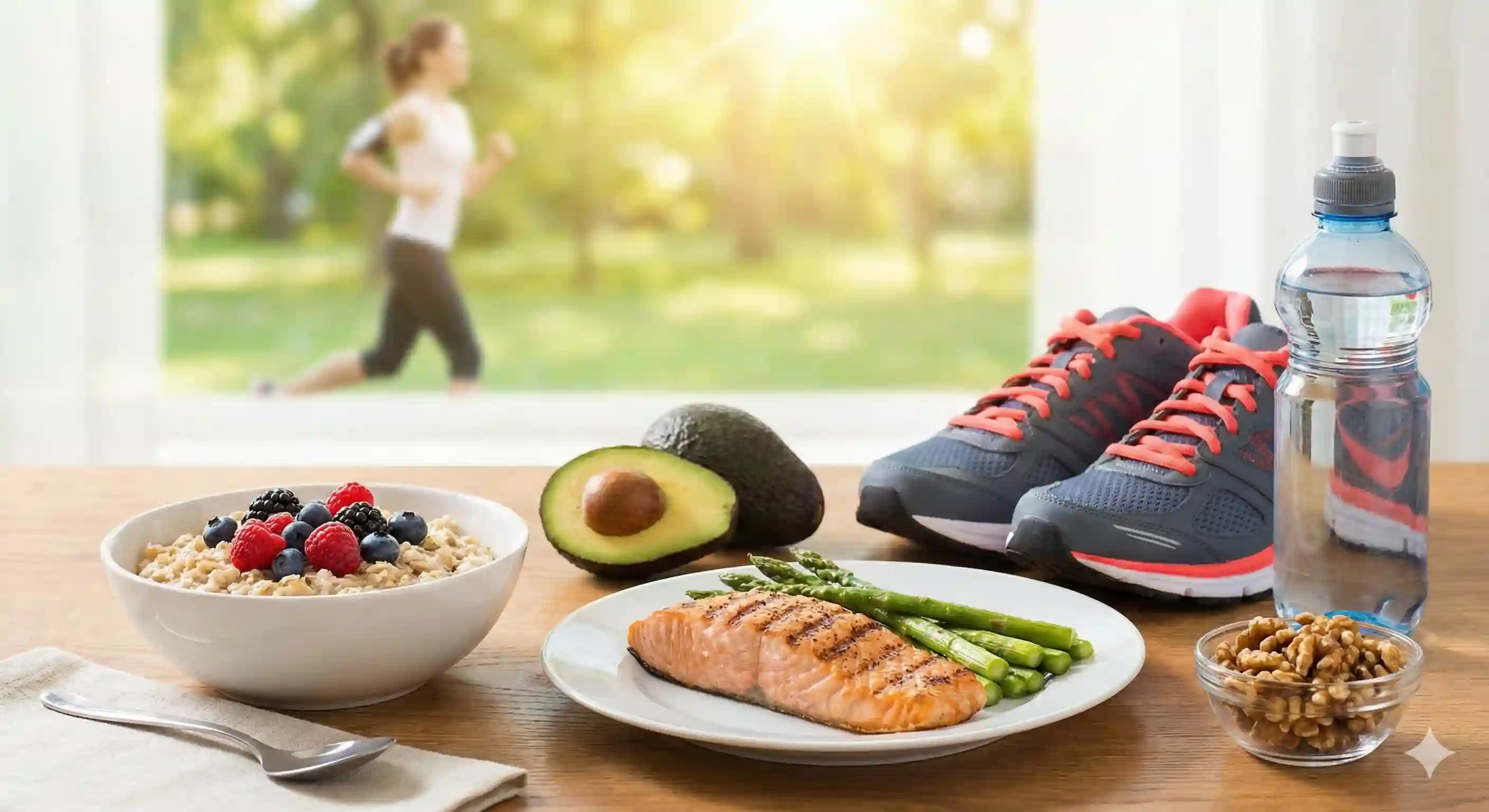
Diet is your first line of defense. Focus on reducing saturated fats (found in red meat and full-fat dairy) and eliminating trans fats entirely. Instead, introduce:
- Soluble Fiber: Foods like oatmeal, kidney beans, Brussels sprouts, apples, and pears reduce the absorption of cholesterol into your bloodstream.
- Healthy Fats: Olive oil, avocados, and nuts contain monounsaturated fats that don't raise LDL.
- Fatty Fish: Salmon, mackerel, and herring are high in omega-3 fatty acids, which help lower triglycerides and boost HDL.
2. Get Moving with Heart Rate Monitoring
Regular physical activity can help raise your "good" HDL cholesterol. Aim for at least 30 minutes of moderate-intensity exercise, such as brisk walking, five times a week. To maximize your workout efficiency, consider training in your optimal fat-burning zone. You can determine your personalized heart rate zones using our Heart Rate Zone Calculator.
3. Manage Your Weight with Step Tracking
Carrying extra weight contributes to high cholesterol. Losing even 5% to 10% of your body weight can help lower LDL cholesterol levels. Walking is an excellent low-impact exercise for weight management. Track your progress with our Steps to Calories Calculator to see how your daily activity translates to calorie burn.
4. Optimize Your Nutrition
Beyond just lowering cholesterol, ensure you're getting the right balance of nutrients for overall health. Our Macronutrient Calculator can help you determine the optimal protein, carb, and fat ratios for your goals, whether it's weight loss or heart health.
5. Monitor Your Overall Health Metrics
Cholesterol doesn't exist in isolation. It's connected to other health markers like blood pressure and blood sugar. Consider checking:
- Blood Pressure: Use our Blood Pressure Analyzer to understand your readings
- Blood Sugar: For those concerned about diabetes risk, our HbA1c Converter helps interpret long-term glucose control
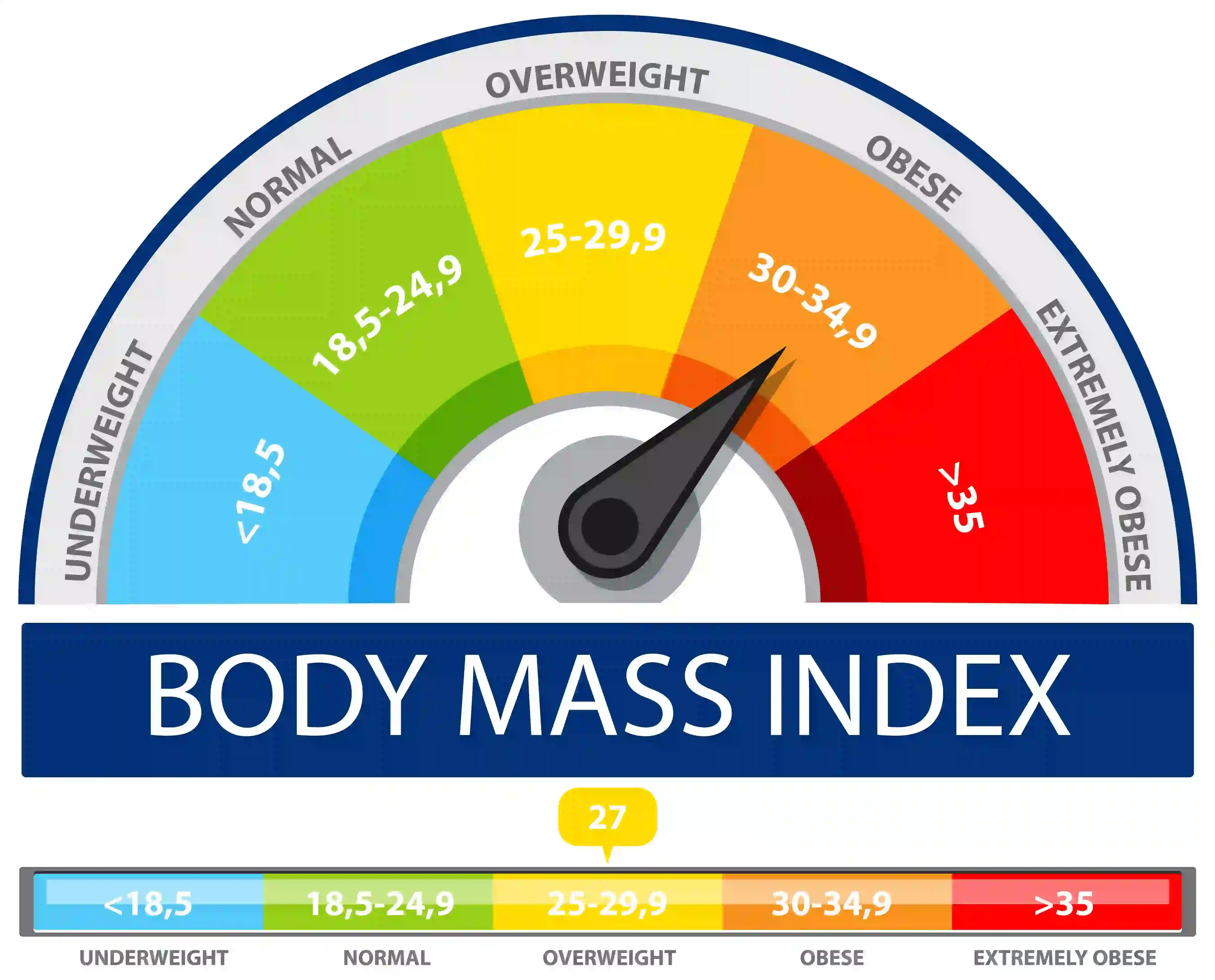
- BMI: Check your weight status with our BMI Calculator
6. Medication (When Necessary)
Sometimes, lifestyle changes aren't enough, especially if you have a genetic predisposition to high cholesterol. Your doctor may prescribe medications, such as statins, to help control your levels. These medications are highly effective and can significantly reduce the risk of heart events when taken as prescribed.
Frequently Asked Questions (FAQ)
How often should I get my cholesterol checked?
Most healthy adults should get checked every 4–6 years starting at age 20. If you have diabetes, heart disease, or a family history of high cholesterol, your doctor will likely recommend more frequent testing.
Can I have high cholesterol even if I am thin and eat well?
Yes. While diet and weight are major factors, genetics play a significant role in how your body produces and manages cholesterol. Some people have a genetic condition called familial hypercholesterolemia that causes high levels regardless of lifestyle.
Are eggs bad for my cholesterol?
For most people, the dietary cholesterol in eggs has a minimal effect on blood cholesterol levels compared to saturated and trans fats. However, if you already have high cholesterol or diabetes, it's best to limit egg yolk consumption and consult your doctor.
What is the fastest way to lower cholesterol without medication?
There is no overnight fix, but significant dietary changes combined with daily exercise yield the fastest natural results. Switching to a diet high in soluble fiber and low in saturated fats can show improvements in as little as 4–6 weeks.
How does alcohol affect cholesterol?
Moderate alcohol use has been linked to slightly higher levels of "good" HDL cholesterol in some studies. However, excessive drinking can increase triglycerides and blood pressure, outweighing any benefits. It's not recommended to start drinking for cholesterol benefits.
Do stress levels affect cholesterol?
Yes, indirectly. Chronic stress can trigger hormonal changes that may raise cholesterol levels. Furthermore, people under stress often adopt unhealthy habits like overeating fatty foods or smoking, which worsen the problem.
Is it better to have low total cholesterol or high HDL?
The balance is key. Having very low total cholesterol isn't always ideal if your "good" HDL is also very low. The best scenario is having low LDL ("bad") cholesterol combined with high HDL ("good") cholesterol for optimal heart protection.
Conclusion
Understanding normal cholesterol levels by age is more than just knowing a set of numbers; it's about understanding your long-term heart health. While the natural aging process can make maintaining a healthy cholesterol level more challenging, you have tremendous power to influence your health through the choices you make every day.
By using this cholesterol guide, keeping an eye on the LDL HDL chart targets, and adopting heart-healthy habits like eating fiber-rich foods and moving more, you can take proactive steps to protect your cardiovascular system. Remember, it's never too early or too late to start caring for your heart. Talk to your doctor, get screened, and take control of your numbers today.
For personalized calculations related to your heart health journey, explore our comprehensive suite of health calculators including the Cholesterol Ratio Calculator, Heart Rate Zone Calculator, and BMI Calculator.