The Ultimate Guide to Low Sodium Fast Food: Eat Out Without the Guilt
Why is Fast Food So Salty?
Before we look at the solutions, it helps to understand the problem. Why do restaurants load their food with salt? It isn't just for taste.

- Preservation: Sodium acts as a powerful preservative, extending the shelf life of ingredients that need to be shipped across the country.
- Flavor Enhancement: Salt is the cheapest way to make bland, mass-produced ingredients taste delicious and addictive.
- Texture: In processed meats, sodium helps retain moisture, preventing the meat from drying out during the cooking process.
The American Heart Association recommends no more than 2,300 mg of sodium per day, with an ideal limit of 1,500 mg for most adults, especially those with hypertension. A single "combo meal" can shatter these limits instantly.
Monitor Your Heart Health
High sodium intake directly affects blood pressure. Use our Blood Pressure Analyzer to understand your readings and track changes when adjusting your diet.
The Golden Rules of Low Sodium Ordering
Regardless of which restaurant chain you visit, these universal rules will help you slash the salt content of your order by 30% to 50%.
1. "Customize or Compromise"
Fast food is assembled on an assembly line. This is good news because you can interrupt that line. Don't be afraid to ask for modifications. Asking for "no salt on the fries" or "no cheese" is the single most effective way to lower sodium.
2. Beware the "Big Three" Sodium Bombs
In almost every fast food sandwich, the majority of the salt comes from three specific ingredients:
- The Bread: A typical burger bun has 200-400mg of sodium. A biscuit or bagel can have over 500mg.
- The Cheese: A single slice of processed American cheese adds about 200-300mg of sodium.
- The Sauce: Ketchup, BBQ sauce, and "special sauces" are concentrated salt.

Restaurant-by-Restaurant Guide: What to Order
We have analyzed the nutritional data of major chains to bring you the safest bets. (Note: Sodium counts are approximate and can vary by location).
| Restaurant Type | Best Choice | Sodium (Approx.) | Avoid |
|---|---|---|---|
| Burger Joints | Plain Hamburger, No Cheese | 480-550mg | Bacon, Double Patties |
| Taco Places | Crunchy Beef Taco | ~300mg | Flour Tortillas |
| Sandwich Shops | Veggie Delite | ~280mg | Cured Meats |
| Chicken Chains | Grilled Nuggets (8-count) | ~440mg | Fried Chicken |
The Hidden Danger: Salad Dressings
You might think ordering a salad is the healthiest choice. While it's great for fiber, the dressing packet can ruin your low-sodium efforts. One packet of Ranch or Italian dressing can contain 400mg to 600mg of sodium! Always ask for dressing on the side and use the "Fork Method": Dip your fork tines in the dressing, then stab the lettuce. You get the flavor with a fraction of the salt.
The Breakfast Trap: Why Morning Meals are the Riskiest
Many people assume lunch or dinner is the biggest offender for sodium, but fast-food breakfasts are notoriously salty. Processed breakfast meats (bacon, sausage, ham) and breads (biscuits, bagels) create a "perfect storm" for high blood pressure.
For instance, a single sausage, egg, and cheese biscuit can contain over 1,200 mg of sodium before you even finish your morning coffee. That is more than half of your daily recommended limit consumed by 9:00 AM.
The Science of Balance: Potassium vs. Sodium
While reducing sodium is critical, increasing potassium is equally important. Sodium and potassium work like a seesaw in your body. Sodium increases blood pressure by holding onto water, while potassium helps relax blood vessel walls and flush sodium out of your system through urine.
High Potassium "Antidotes":
- Bananas
- Oranges (or pure orange juice)
- Avocado
- Spinach
- Coconut water
Track Your Nutrition
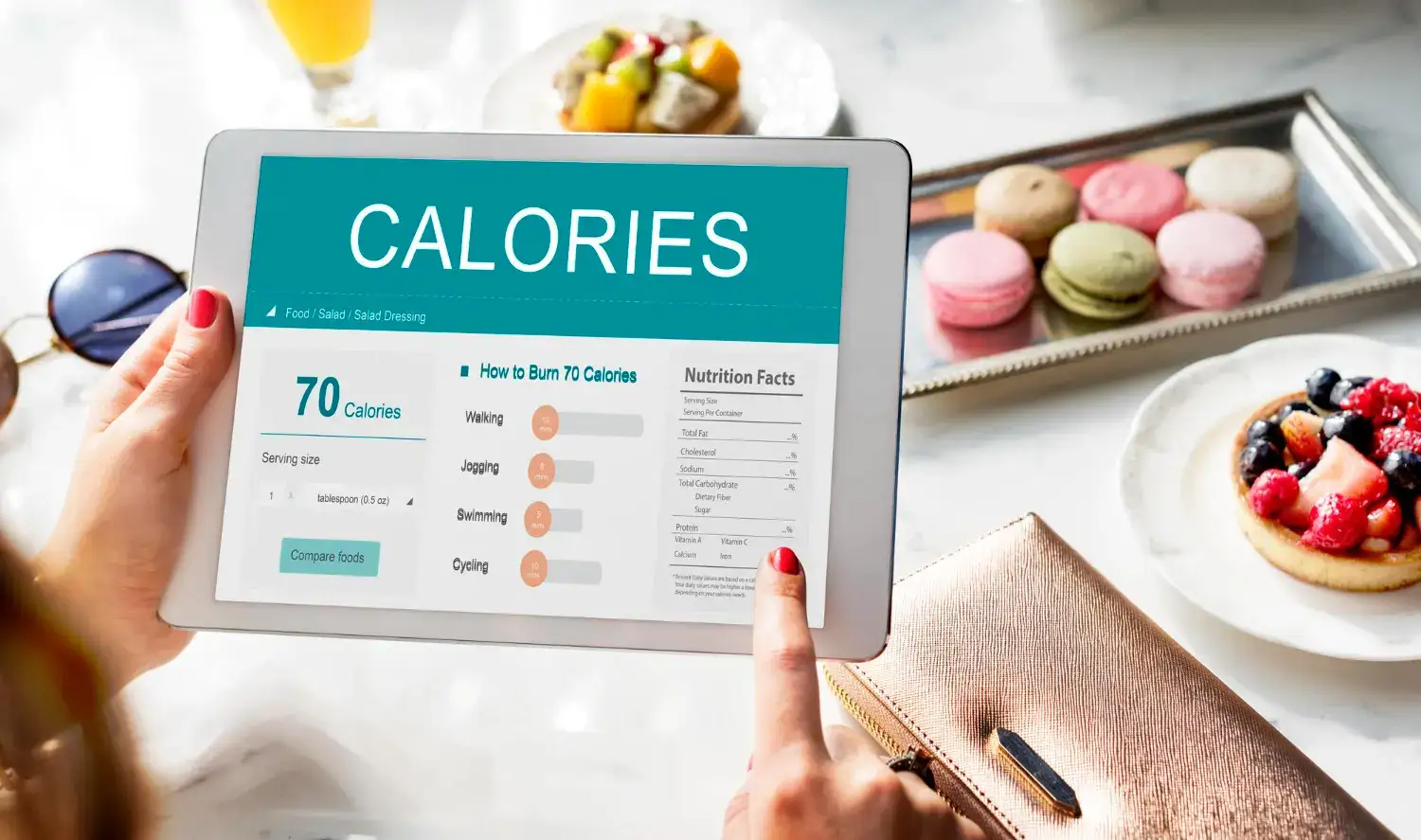
Managing your sodium intake is easier when you understand your overall nutritional needs. Use our Macronutrient Calculator to balance your diet and our Calorie Calculator to maintain a healthy weight alongside your low-sodium goals.
The "Sodium Hangover": Symptoms and Recovery
Have you ever eaten a fast-food meal and felt swollen, thirsty, or had a mild headache a few hours later? This is what nutritionists call a "Sodium Hangover" or "Sodium Bloat."
How to Fix It Fast: If you overindulged, don't panic. Drink at least 2-3 glasses of water immediately. Eat a banana (potassium helps flush sodium). Avoid salt completely for the next 24 hours to let your kidneys catch up.
Monitor Your Hydration
Proper hydration helps flush excess sodium from your body. Use our Daily Water Intake Calculator to ensure you're drinking enough water, especially after a high-sodium meal.
FAQ: Low Sodium Fast Food
Are French fries high in sodium?
Surprisingly, fries are often lower in sodium than the burgers—if you get them unsalted. A small portion of salted fries has about 150-250mg of sodium. However, seasoned curly fries are much higher.
What is the absolute lowest sodium item at fast food?
Aside from plain fruit cups or side salads without dressing, the lowest sodium "main dish" is usually Grilled Chicken Nuggets (specifically from Chick-fil-A) or a Sour Cream and Chive Baked Potato (from Wendy's - approx 35mg sodium if you don't add bacon/cheese).
Can high sodium affect cholesterol levels?
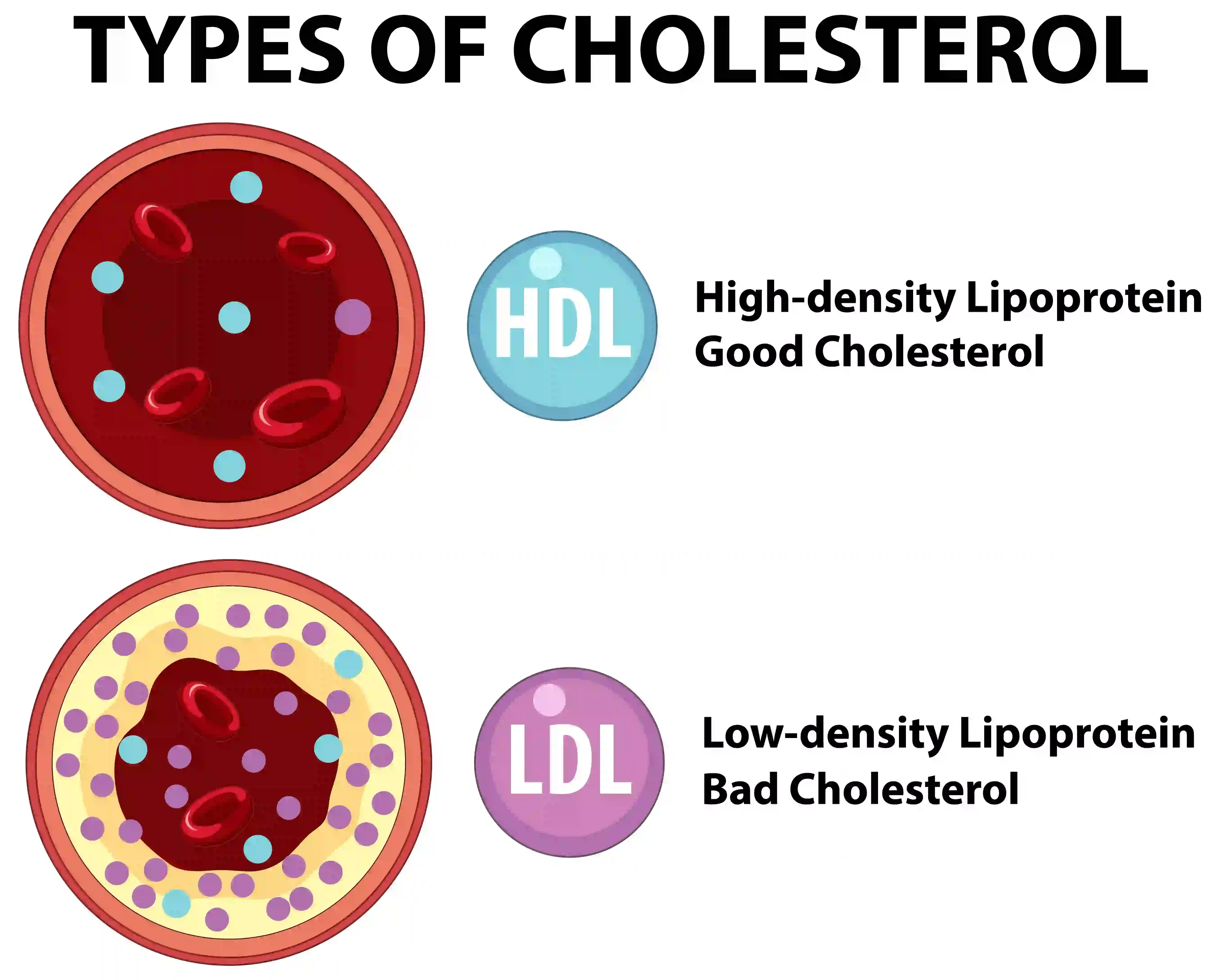
While sodium doesn't directly affect cholesterol, the processed foods that are high in sodium often contain unhealthy fats that can raise cholesterol. Monitor your heart health with our Cholesterol Ratio Calculator.
Conclusion: Empowering Your Choices
Eating a low sodium diet doesn't mean the end of convenience or flavor. It requires a shift in perspective. Instead of viewing the menu as a minefield, view it as a puzzle where you have the pieces to build a meal that serves your body.
Your Health Toolkit
Take control of your heart health with our complete suite of calculators:
- Blood Pressure Analyzer - Monitor your readings
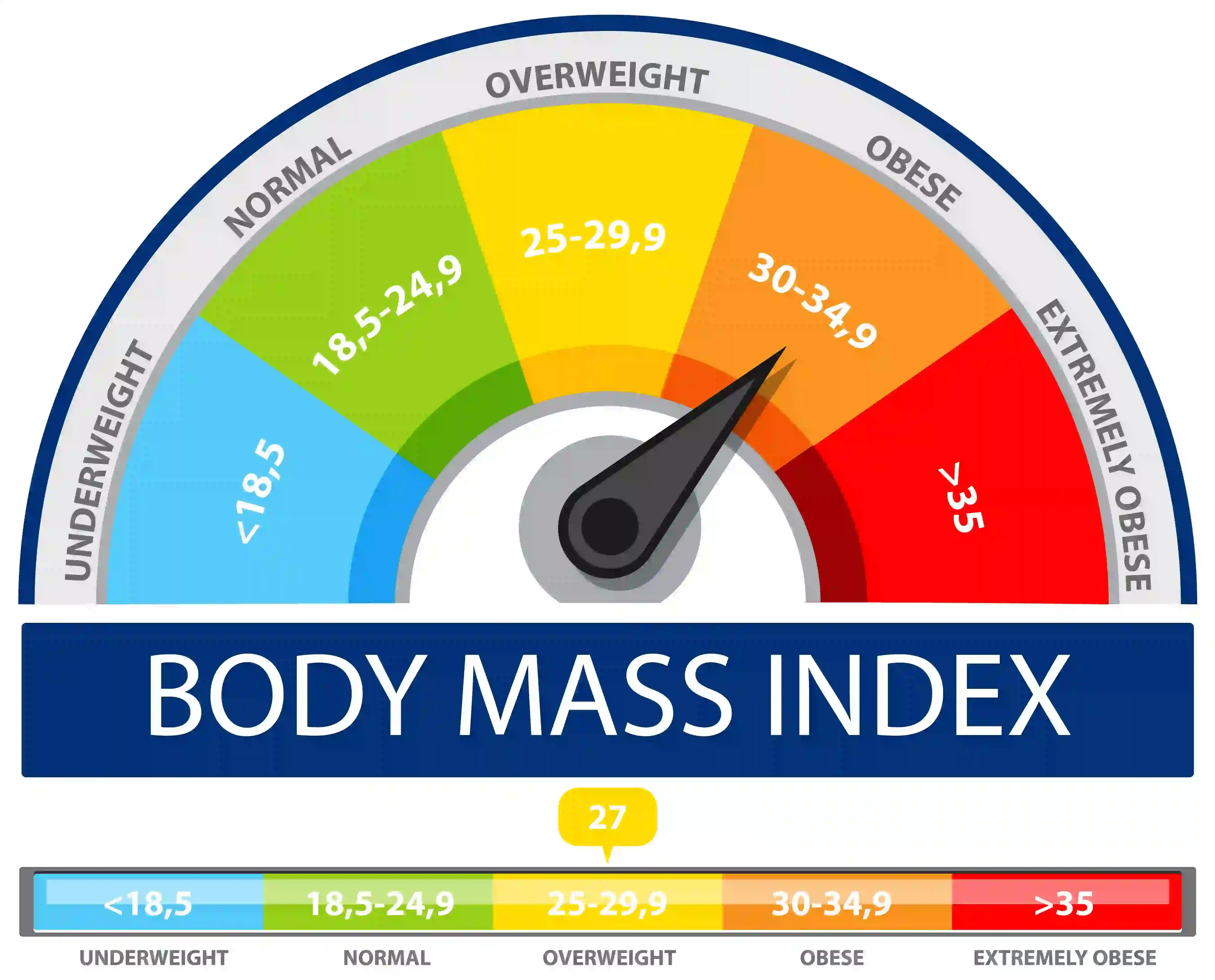
- BMI Calculator - Track your weight status
- Ideal Weight Calculator - Set healthy goals
- Heart Rate Zone Calculator - Optimize exercise
By skipping the bun, choosing grilled over fried, and being mindful of sauces, you can enjoy a meal out with friends or family without jeopardizing your health goals. Remember, consistency is key. One salty meal won't ruin your health, but learning how to make better choices consistently will protect your heart for years to come.