The Ultimate Guide to Gluten-Free Dairy-Free Snacks: Nourish Your Body Without Compromise
Snacking Without Compromise: A Healthier Approach
For millions of people, navigating the grocery aisles can feel like walking through a minefield. Whether you have Celiac disease, lactose intolerance, non-celiac gluten sensitivity (NCGS), or are simply following an anti-inflammatory lifestyle, finding high-quality gluten-free dairy-free snacks is a daily challenge. The convenience food market is flooded with options, but many are packed with sugar, fillers, and empty calories.
Snacking shouldn't be about restriction; it should be about nourishment. In this comprehensive guide, we will break down the science of GF/DF snacking, identify nutrient gaps to watch out for, and provide you with a list of power-packed snacks that fuel your body and satisfy your cravings.
The "Why": Understanding the Need for GF/DF
Why do so many people eliminate both gluten and dairy simultaneously? The answer often lies in the gut.
- Inflammation: Gluten (a protein found in wheat, barley, and rye) and Casein (a protein found in dairy) can trigger immune responses in sensitive individuals, leading to systemic inflammation.
- "Leaky Gut" Connection: Chronic irritation from these proteins can compromise the intestinal lining. This affects how well you absorb nutrients.
- Symptom Overlap: Many people with Celiac disease also suffer from secondary lactose intolerance because the damage to the villi in the small intestine reduces the production of lactase enzymes.
Are You Absorbing Your Nutrients?
Eliminating major food groups can sometimes lead to deficiencies in Calcium, Vitamin D, and B Vitamins. If you feel fatigued despite eating well, check your risk profile with our Vitamin Deficiency Calculator.
The Nutrition Gap: What to Watch Out For
One of the biggest mistakes beginners make is swapping whole foods for processed "Free-From" junk food. A gluten-free cookie is still a cookie. It often has less fiber and more sugar than the original to improve texture.
1. The Fiber Problem
Whole wheat is a major source of fiber for the average person. When you go gluten-free, your fiber intake can drop drastically, leading to digestive issues and blood sugar spikes. You must intentionally replace this with high-fiber snacks like seeds, nuts, and legumes.
Not sure if you're getting enough? Use our Daily Fiber Intake Calculator to set a target.
2. The Protein Problem
Dairy is a primary protein source for many. Removing yogurt, cheese, and whey means you need to find plant-based or meat-based alternatives to maintain muscle mass and satiety.
Check your protein needs based on your activity level with our Macronutrient Calculator.
Top 10 Whole-Food Gluten-Free Dairy-Free Snacks
The best snacks don't have an ingredient list. They are the ingredients.
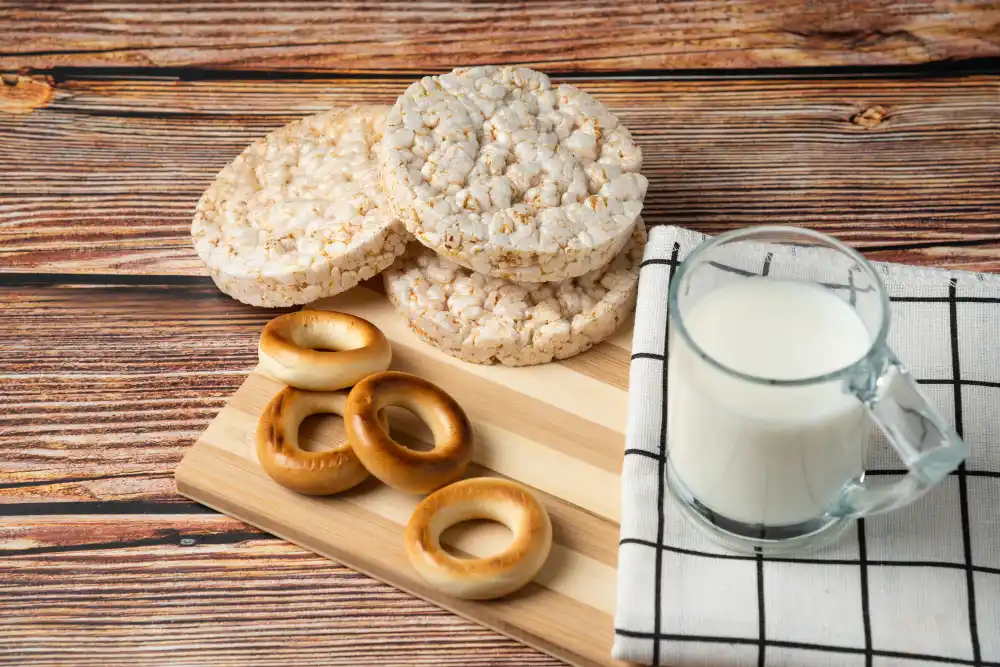
1. Rice Cakes with Nut Butter
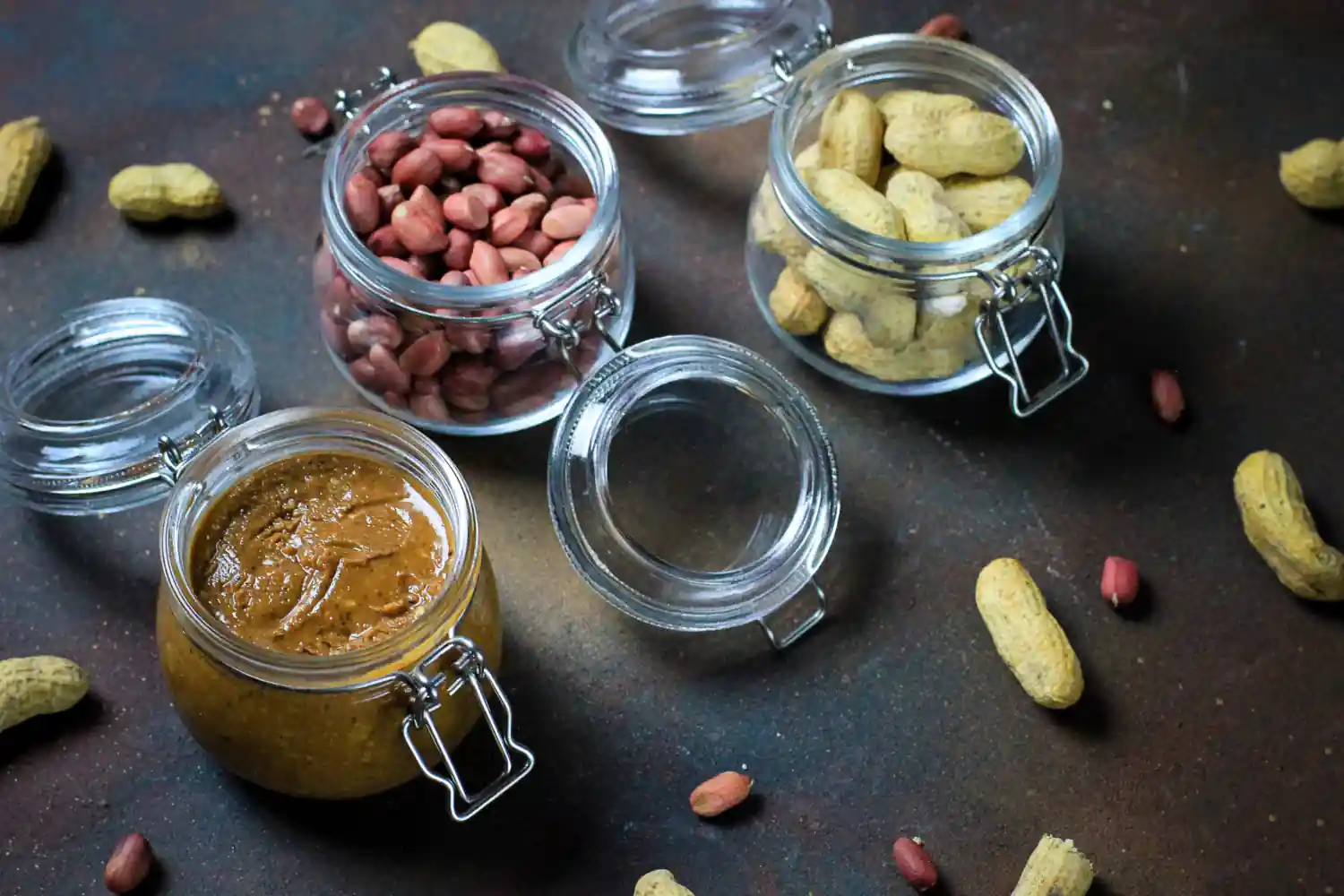
As shown in the image above, simple puffed rice cakes are a fantastic, crunchy vehicle for healthy fats. Top them with almond butter or peanut butter for a protein boost. (Tip: Check our guide on Peanut Butter and Acid Reflux if you have a sensitive stomach.)
2. Hard-Boiled Eggs
Nature's multivitamin. Packed with choline and high-quality protein, eggs are naturally GF and DF. They are perfect for meal prep.
3. Beef or Turkey Jerky
A high-protein, savory snack. Warning: Check the label! Some brands use soy sauce (which contains wheat) in the marinade. Look for "Tamari" or explicitly labeled GF jerky.
4. Chia Seed Pudding
Mix 3 tablespoons of chia seeds with 1 cup of almond or coconut milk. Let it sit for 2 hours. This creates a gel-like pudding rich in Omega-3s and fiber. Hydration is key when eating chia seeds; ensure you drink plenty of water.
Calculate your hydration needs: Daily Water Intake Calculator.
5. Edamame
Steamed soybeans are a powerhouse vegan protein source that is naturally free of gluten and dairy.
6. Apple Slices with Tahini
Tahini (sesame seed paste) is a fantastic dairy-free alternative to cream cheese or peanut butter. It's rich in calcium, which is vital since you aren't consuming dairy.
7. Roasted Chickpeas
Drain a can of chickpeas, toss with olive oil and paprika, and roast at 400°F (200°C) until crispy. A crunchy, fiber-rich alternative to croutons or chips.
8. Guacamole and Carrot Sticks
Skip the corn chips to keep the calories lower and dip raw veggies into guacamole. Avocados provide healthy monounsaturated fats that support heart health.
Monitor your heart health metrics with our Cholesterol Ratio Calculator.
9. Dark Chocolate (70%+)
Most high-percentage dark chocolate is dairy-free (check the label to be sure). It satisfies the sweet tooth with less sugar and more antioxidants.
10. Tuna Salad in Cucumber Boats
Mix canned tuna with avocado-oil mayonnaise (naturally dairy-free) and scoop it into hollowed-out cucumber halves for a hydrating, high-protein snack.
DIY Recipe: No-Bake "Cookie Dough" Energy Bites
Store-bought GF/DF bars can be expensive. Save money and avoid preservatives with this easy recipe.
Ingredients:
- 1 cup rolled oats (Certified Gluten-Free is a MUST)
- 1/2 cup natural peanut butter or almond butter
- 1/3 cup honey or maple syrup
- 1 tsp vanilla extract
- 1/2 cup mini chocolate chips (dairy-free, e.g., Enjoy Life brand)
- 1 tbsp chia seeds
Instructions:
- Mix all ingredients in a large bowl until combined.
- Refrigerate for 20 minutes (makes them easier to roll).
- Roll into 12 balls.
- Store in the fridge for up to a week.
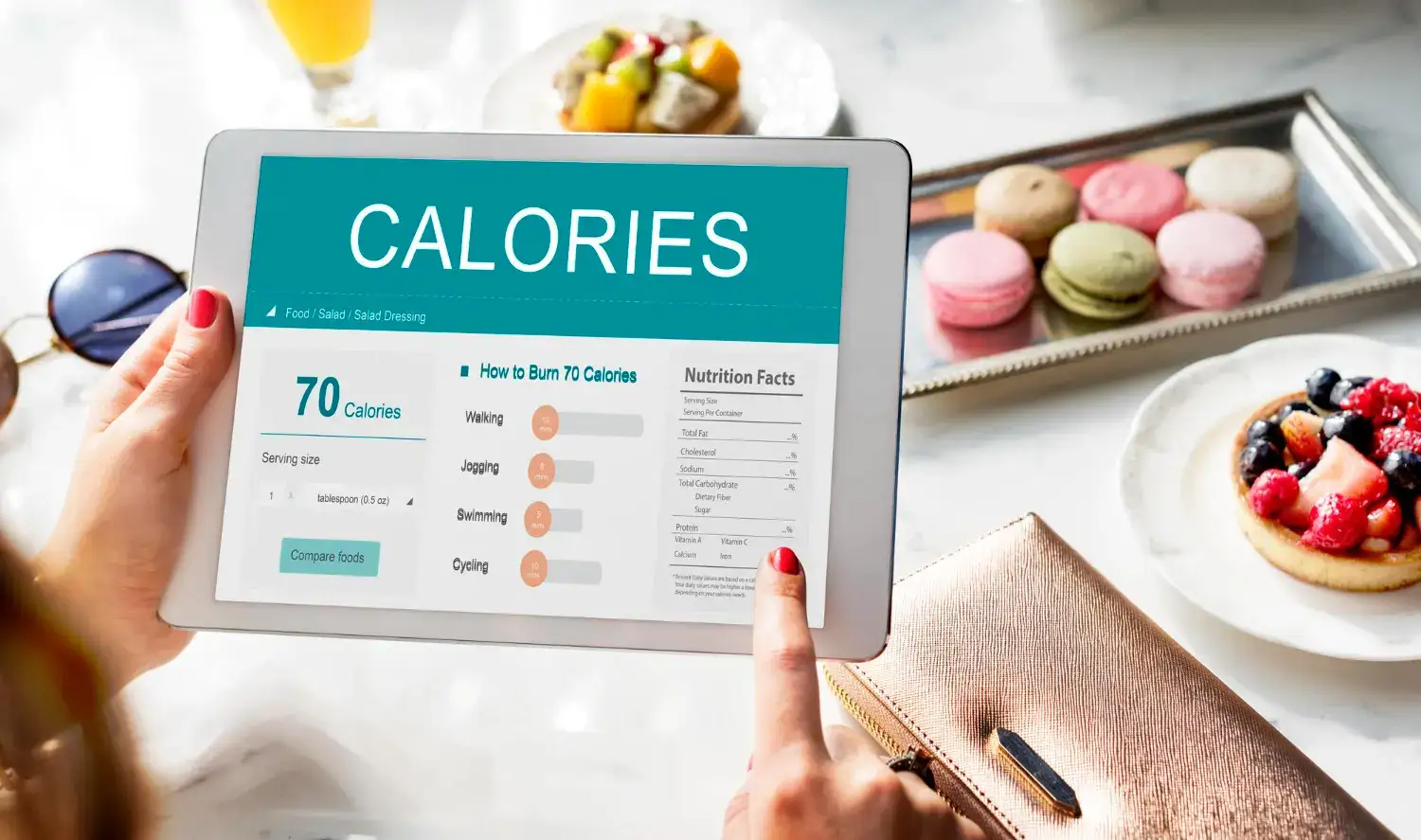
Nutrition Note: These are calorie-dense. Be mindful of portions! Check how they fit into your daily budget with our Calorie Calculator.
Navigating the Grocery Store: Label Reading 101
When buying packaged snacks, don't trust the front of the box. Turn it over.
- Hidden Gluten: Watch out for "Malt" (barley), "Brewer's Yeast," "Hydrolyzed Wheat Protein," and "Modified Food Starch" (unless specified as corn/potato).
- Hidden Dairy: Watch out for "Casein," "Whey," "Lactose," "Nougat," and "Butter fat."
- The "May Contain" Warning: If you have Celiac disease, avoid products that say "Processed in a facility that also processes wheat." Cross-contamination is a serious risk.
Weight Management on a GF/DF Diet
A common misconception is that "Gluten-Free" equals "Weight Loss." Often, it's the opposite. Commercial GF products often use potato starch, tapioca flour, and rice flour, which are high-glycemic carbohydrates that can spike blood sugar and lead to weight gain if not managed.
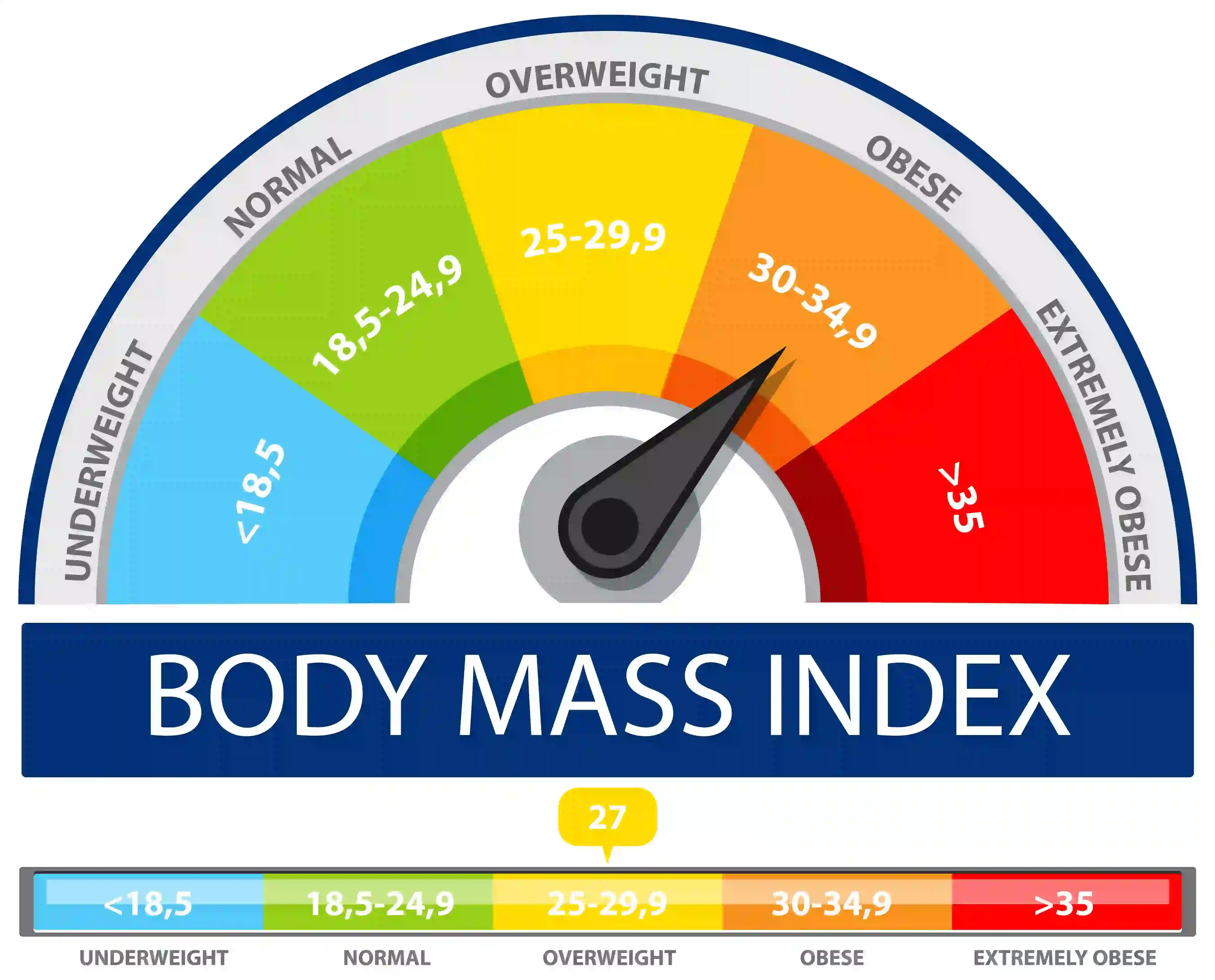
To ensure you are maintaining a healthy weight while enjoying these snacks, keep an eye on your Body Mass Index.
Tool: Check Your BMI Here.
Conclusion: Preparation is Key
Going gluten-free and dairy-free doesn't mean eating bland food. It forces you to be more creative and conscious about what you put in your body. By focusing on whole, unprocessed foods and preparing snacks in advance, you can heal your gut, reduce inflammation, and feel more energized than ever.
Your GF/DF Health Toolkit
Support your dietary journey with our specialized tools:
- Vitamin Deficiency Calculator - Ensure you aren't missing nutrients.
- Fiber Calculator - Crucial for GF diets.
- Macro Calculator - Balance your protein.
- HbA1c Converter - Monitor blood sugar impact.