High Protein Snacks for Diabetics: The Ultimate Guide to Blood Sugar Management
Why Protein is the "Game Changer" for Diabetics
When you consume carbohydrates on their own—like eating a plain apple or a handful of crackers—your body breaks them down into glucose rapidly. This causes a swift rise in your blood sugar. However, when you pair those carbohydrates with protein, magic happens.
Protein takes longer to digest than carbohydrates. This slow digestion process affects how quickly glucose enters your bloodstream. Here is why prioritizing protein in your snacks is scientifically beneficial for diabetes management:
- Blunts the Glucose Spike: Protein slows down gastric emptying. This means the sugar from your food hits your bloodstream at a trickle rather than a flood.
- Increases Satiety: Protein is known to be the most satiating macronutrient. It signals your brain that you are full, reducing the likelihood of overeating or craving sugary junk food later.
- Supports Muscle Health: Insulin helps move sugar into muscles. Maintaining muscle mass through adequate protein intake improves your body's overall insulin sensitivity.
Deep Dive: The Science of Insulin Resistance and Snacking
To truly understand why your snack choices matter, we need to look closer at insulin resistance. In Type 2 diabetes, your cells don't respond properly to insulin. Think of insulin as a key that opens the door for sugar to enter your cells. When the lock is "jammed" (insulin resistance), sugar stays in the blood.
Every time you eat a high-carbohydrate snack without protein or fiber, you are flooding your bloodstream with sugar, forcing your pancreas to pump out more and more insulin to try and force those doors open. Over time, this exhausts the pancreas.
High-protein snacks act differently. They require very little insulin to be processed. By choosing the snacks listed below, you are essentially giving your pancreas a well-deserved break. This "pancreatic rest" is crucial for long-term diabetes management.
The "Snack Attack" Strategy: What to Look For
Before we dive into the specific food list, let's establish some ground rules for what makes a snack "diabetic-friendly." Not all protein bars or shakes are created equal. Many are hidden sugar bombs disguised as health food.
1. Check the Carb-to-Protein Ratio
Ideally, aim for snacks that have 15 grams of carbohydrates or less. If the carb count is higher, ensure there is enough protein and fiber to counteract the digestion speed. For help with your macronutrient ratios, use our Macronutrient Calculator.
2. Watch the Sodium
Many savory high-protein snacks (like jerky or salted nuts) can be high in sodium. Since diabetics are at a higher risk for heart disease and high blood pressure, moderation is key. Check your blood pressure regularly using our Blood Pressure Analyzer.
3. Real Food First
Processed protein snacks often contain sugar alcohols or artificial additives that can cause digestive distress. Whenever possible, choose whole, unprocessed foods.
Top 20 High Protein Snacks for Diabetics
We have categorized these snacks to help you find exactly what you need, whether you are on the go, craving something sweet, or need a savory crunch.
1. The Power of Nuts and Seeds
Nuts are a staple for a reason. They provide a trifecta of healthy fats, fiber, and protein.
- Almonds: A handful of almonds (about 23 nuts) provides 6 grams of protein and plenty of magnesium, which is good for blood sugar control.
- Walnuts: Rich in Omega-3 fatty acids, walnuts support heart health while keeping you full.
- Chia Seed Pudding: Mix chia seeds with unsweetened almond milk and let it sit. The seeds expand to create a pudding texture rich in fiber and protein.
- Pumpkin Seeds (Pepitas): These are excellent sources of zinc and iron. A quarter-cup contains roughly 7-9 grams of protein.
2. Dairy and Egg Options
If you tolerate dairy, these are some of the easiest ways to get a high protein boost.
- Greek Yogurt: Opt for plain, non-fat or low-fat Greek yogurt. It has nearly double the protein of regular yogurt. Sweeten it naturally with a few berries or a dash of cinnamon.
- Cottage Cheese: Half a cup of cottage cheese can pack up to 13 grams of protein. It pairs well with savory toppings like tomatoes or cucumber.
- Hard-Boiled Eggs: The ultimate portable snack. One large egg contains 6 grams of protein and virtually zero carbohydrates. They are perfect for batch-cooking at the start of the week.
- String Cheese: Portion-controlled and convenient, one stick usually offers 6-8 grams of protein.
3. Plant-Based and Vegan Proteins
You don't need meat to get high-quality protein. These plant-based options are fantastic for blood sugar regulation.
- Edamame: Steamed soybeans are a powerhouse snack. One cup provides a massive 17 grams of protein and plenty of fiber.
- Roasted Chickpeas: Toss chickpeas in olive oil and your favorite spices (paprika, cumin, garlic powder) and roast until crispy. They are a great alternative to potato chips.
- Tofu Cubes: Firm tofu can be marinated and baked. It's low calorie and very high in protein.
- Hummus and Veggies: While hummus is a mix of carbs and protein, pairing it with raw celery or peppers (instead of pita bread) keeps the glycemic index low.
4. Meat and Fish (Savory Cravings)
Sometimes you need something substantial to keep you going until dinner.
- Tuna Salad: Mix canned tuna with a little avocado oil mayonnaise or mashed avocado. Eat it with cucumber slices or wrapped in a lettuce leaf.
- Turkey Roll-Ups: Take a slice of low-sodium deli turkey, spread a little cream cheese or hummus on it, and wrap it around a pickle or bell pepper strip.
- Beef Jerky (Sugar-Free): Look for brands that do not use sugar in the curing process. It is pure protein and very satisfying.
3 Quick & Easy High-Protein Recipes
Store-bought snacks are convenient, but homemade is always better for controlling ingredients. Here are three recipes you can whip up in under 10 minutes.
1. Spicy Roasted Edamame
This is a perfect alternative to popcorn or chips when you are watching a movie.
- Ingredients: 2 cups frozen shelled edamame (thawed), 1 tbsp olive oil, 1/2 tsp chili powder, 1/4 tsp garlic salt.
- Instructions: Preheat oven to 400°F (200°C). Toss edamame with oil and spices. Spread on a baking sheet and roast for 20-25 minutes until crispy.
- Protein Punch: ~18g per serving.
2. No-Bake Peanut Butter Protein Balls
These satisfy the sweet tooth without the glucose spike.
- Ingredients: 1 cup natural peanut butter, 2/3 cup protein powder (vanilla or chocolate), 1 tbsp chia seeds, 1-2 tbsp water (if needed for consistency).
- Instructions: Mix all ingredients in a bowl until a dough forms. Roll into small balls (about 1 inch). Store in the fridge.
- Protein Punch: ~8g per ball.
3. Greek Yogurt Bark
A frozen treat that feels like an indulgence but is packed with nutrition.
- Ingredients: 2 cups plain Greek yogurt, 1/2 cup berries, 1/4 cup crushed almonds, 1 tsp stevia (optional).
- Instructions: Mix yogurt and sweetener. Spread thinly on a baking sheet lined with parchment paper. Sprinkle berries and nuts on top. Freeze for 3 hours, then break into "bark" pieces.
- Protein Punch: ~12g per serving.
How to Meal Prep Your Snacks for the Week
The number one reason people fail at their diet is a lack of preparation. When hunger strikes and you have nothing ready, you are far more likely to grab a bag of chips. Here is a simple Sunday routine to set you up for success:
The "Grab-and-Go" Container Strategy
Invest in small, reusable containers. On Sunday night:
- Portion out nuts: It is easy to overeat nuts straight from the bag. Pre-fill 5 small containers with 1 oz (approx. 23 almonds) each.
- Boil eggs: Boil 6-8 eggs. Peel them immediately (it's easier when they are fresh) and store them in a bowl of water in the fridge to keep them moist for up to 3 days, or unpeeled for up to a week.
- Cut veggies: Wash and slice celery, cucumbers, and bell peppers. Store them in water to keep them crisp.
By having these ready, the "healthy choice" becomes the "easy choice."
Navigating the Grocery Store: Reading Labels Like a Pro
Marketing can be deceptive. A bar might say "High Protein" on the front but be loaded with high-fructose corn syrup on the back. Here is your checklist for the grocery aisle:
- The "Total Carbohydrate" Line: Don't just look at "Sugar." Look at Total Carbs. If a bar has 30g of carbs and only 5g of protein, put it back.
- Sugar Alcohols: These are often used in "sugar-free" snacks. While safe for most, Maltitol can still raise blood sugar slightly and cause gas. Erythritol and Stevia are generally better options for diabetics.
- The Ingredient List Length: If a protein bar has 50 ingredients and you can't pronounce half of them, it is a highly processed food. Aim for lists with 5-10 recognizable ingredients.
Understanding the Glycemic Index (GI) and Blood Sugar Management
The Glycemic Index measures how much a specific food raises blood sugar levels. High protein foods generally have a very low GI score. By eating a handful of almonds (Low GI) before or with a small piece of dark chocolate, you lower the overall glycemic load of that snack session.
For accurate diabetes management, it's important to track your HbA1c levels. Use our HbA1c Converter to understand your average blood sugar levels over time.
Monitoring Your Health Metrics
As a diabetic, several health metrics are crucial to track regularly:
- Cholesterol Levels: Use our Cholesterol Ratio Calculator to monitor your heart health
- Body Weight: Track your progress with our BMI Calculator
- Daily Calorie Needs: Calculate your personalized requirements with our Calorie Calculator
- Exercise Planning: Use our Heart Rate Zone Calculator for optimal fat-burning workouts
Best Late-Night Snacks for Diabetics
Going to bed with high blood sugar is dangerous, but so is going to bed with low blood sugar (hypoglycemia). If you need a bedtime snack to stabilize your levels through the night, avoid high-sugar fruits or grains.
Try these instead:
- A small handful of peanuts.
- A slice of cheese.
- A tablespoon of peanut butter (ensure no added sugar) on a celery stick.
FAQ: Common Questions About Diabetic Snacking
Can diabetics eat fruit?
Yes! But portion control is vital. Berries (strawberries, blueberries, raspberries) are the best options as they are lower in sugar and high in fiber. Always pair fruit with a protein source (like cheese or nuts) to prevent a spike.
How much protein should I have in a snack?
A good target for a snack is between 10g to 20g of protein. This is enough to provide satiety without contributing excessive calories.
Is peanut butter good for diabetics?
Peanut butter is a great option because it contains healthy fats and protein. However, many commercial brands are loaded with added sugar and hydrogenated oils. Always read the label and look for "natural" peanut butter where the only ingredients are peanuts and salt.
How often should diabetics snack?
This depends on your individual needs and medication schedule. Some people benefit from 2-3 small snacks between meals, while others do better with three balanced meals. Work with your healthcare provider to determine what's best for you.
Conclusion: Take Control of Your Health
Managing diabetes doesn't mean you have to give up delicious food or go hungry. By focusing on high protein snacks, you can keep your energy levels stable, avoid the "hangry" feeling, and most importantly, keep your blood glucose readings in a healthy range.
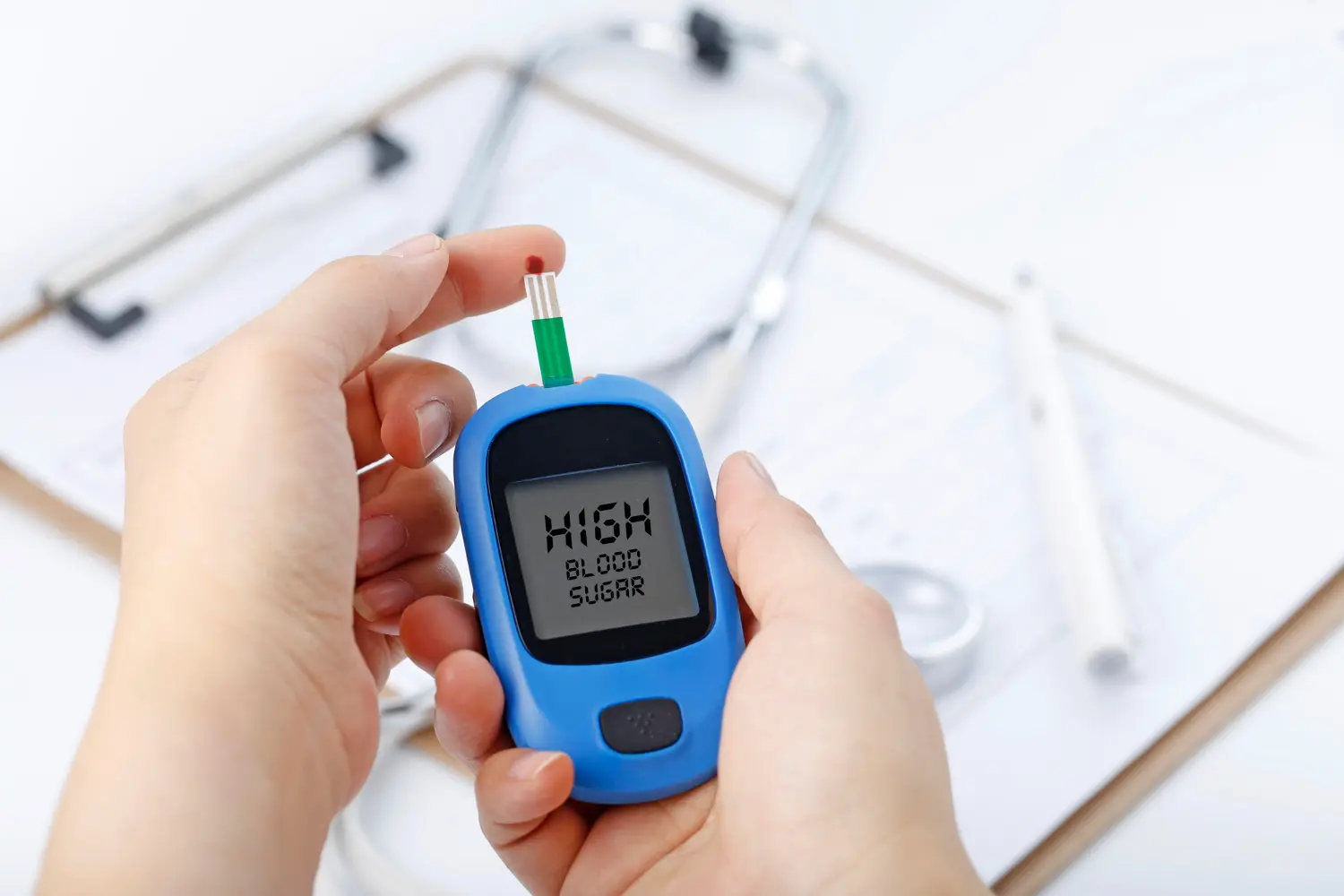
Remember, every body is unique. What works for one person might affect another differently. It is always a good idea to test your blood sugar levels one to two hours after trying a new snack to see how your body responds.