The "Skinny Fat" Dilemma: Why BMI Fails You & The FFMI Solution
The Mirror vs. The Scale: A Frustrating Paradox
It is a scenario that frustrates millions of people: You step on the scale, and the number looks perfect. According to standard medical charts, you are at a "healthy weight." You might even be able to fit into "small" or "medium" clothing sizes without issue.
But when you stand in front of the mirror in a swimsuit, the reality is different. There is no muscle definition. Your midsection feels soft or "puffy." You might feel weak or lethargic. You are experiencing the paradox known as being "Skinny Fat."
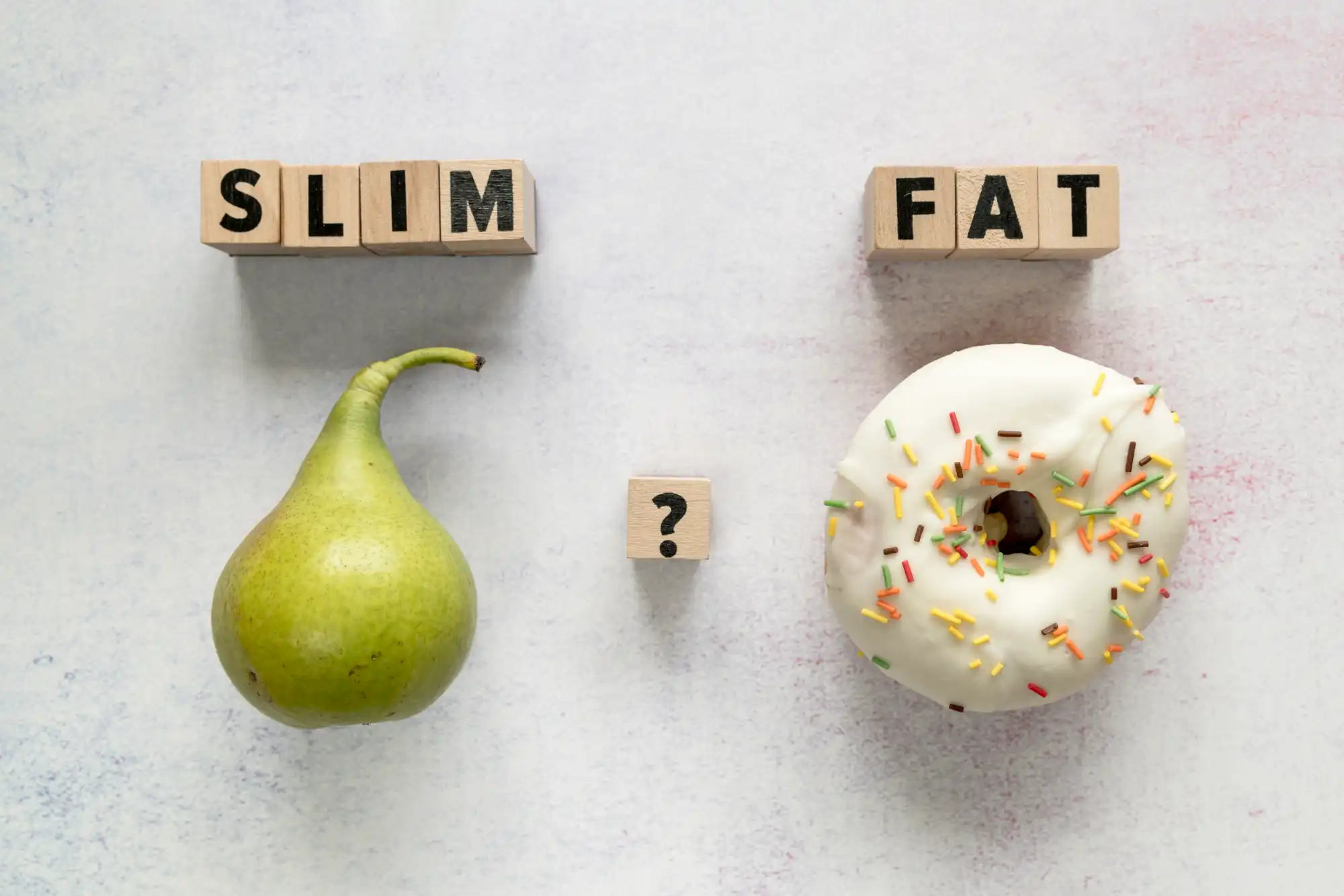
In the medical world, this has a more serious name: MONW (Metabolically Obese Normal Weight). It is a condition where an individual has a normal body weight but shares the metabolic profile of someone who is obese. This isn't just an aesthetic issue; it is a significant health risk that standard tools like BMI completely miss.
In this comprehensive guide, we will dismantle the myth of BMI, introduce you to the superior metric of FFMI (Fat-Free Mass Index), and provide a science-backed protocol to recomposition your body from "skinny fat" to "lean and strong."
The Great BMI Lie: Why Your Doctor's Chart is Wrong
For decades, the Body Mass Index (BMI) has been the gold standard for assessing health. It is a simple calculation based on height and weight. While useful for general population trends, it fails miserably at the individual level, especially for the "skinny fat" physique.
The Math Problem
BMI cannot distinguish between Fat Mass and Lean Muscle Mass.
- Person A: Weighs 170 lbs, has low muscle mass, and 25% body fat.
- Person B: Weighs 170 lbs, is an athlete with high muscle mass, and 12% body fat.
Both have the exact same BMI. A doctor might tell Person A they are "healthy" because their weight is low, ignoring the fact that their body composition is metabolically dangerous. Conversely, fit individuals are often labeled "overweight."
Curious where you fall on the standard scale? Check your baseline with our BMI Calculator, but remember—it is only part of the story.
The Physiology of "Skinny Fat"
So, what exactly creates the "skinny fat" look? It is a specific ratio of body tissue:
- Low Muscle Mass (Sarcopenia): You have very little developed muscle tissue. This lowers your metabolism and gives the body a "flat" or "soft" appearance.
- High Body Fat Percentage: Even though your weight is low, your percentage of fat is high relative to your muscle.
- Visceral Fat Storage: Often, skinny fat individuals store fat inside the abdomen, around the organs (visceral fat), rather than just under the skin (subcutaneous fat).
The Hidden Health Dangers of MONW
Being skinny fat is arguably more dangerous than being visibly overweight, because it creates a false sense of security. Research shows that MONW individuals are at higher risk for:
- Insulin Resistance & Type 2 Diabetes: Due to low muscle mass (muscle is the primary disposal site for glucose).
- High Cholesterol: Specifically high Triglycerides and low HDL. (Check your risk: Cholesterol Ratio Calculator).
- Heart Disease: Visceral fat is highly inflammatory.
The Solution: Enter FFMI (Fat-Free Mass Index)
If BMI is the blunt instrument, FFMI is the laser-guided scalpel. Fat-Free Mass Index takes your height, weight, and body fat percentage into account. It tells you exactly how much lean muscle you are carrying relative to your height.
FFMI is the "Truth Serum" for the skinny fat physique. It will likely reveal that while your BMI is "Normal," your FFMI is "Low" or "Below Average," indicating a critical need to build muscle.
Why FFMI Matters:
- It tracks Muscle Growth independent of fat loss.
- It identifies Sarcopenia (muscle wasting) early.
- It gives you a realistic genetic potential limit.
Stop guessing. To understand your true body composition, you first need to estimate your body fat (use our US Navy Body Fat Calculator), and then plug that number into our FFMI Calculator.
How Did You Get Here? (The Common Traps)
Nobody wants to be skinny fat, yet millions achieve it through "healthy" habits that backfire.
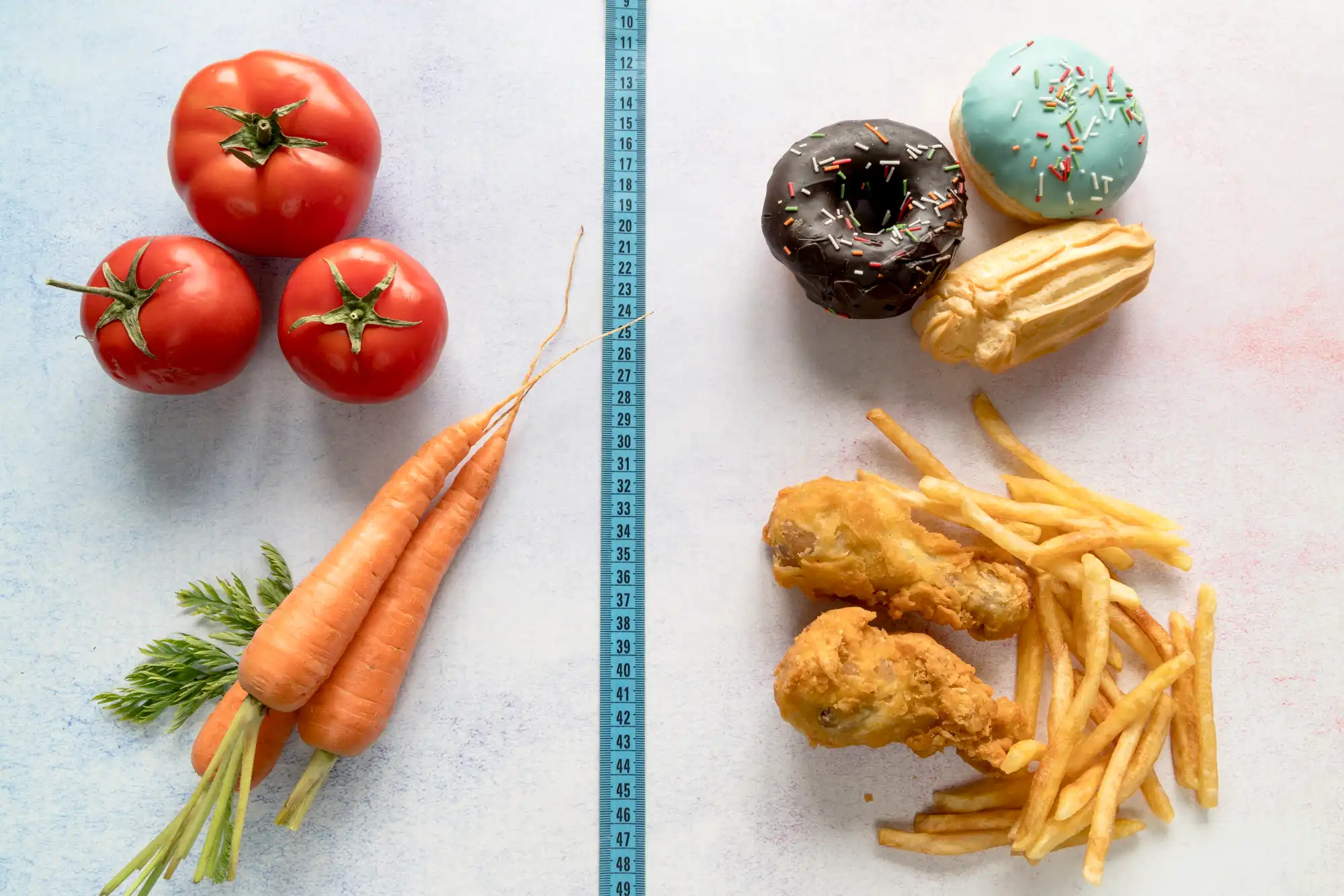
Trap 1: The "Chronic Cardio" Addiction
If your only form of exercise is running, spinning, or elliptical, you are signaling your body to be efficient, not strong. Excessive cardio without resistance training burns calories, but it can also burn muscle tissue, especially if you aren't eating enough protein. You end up a smaller, softer version of yourself.
Trap 2: The Severe Calorie Deficit
Starving yourself to see a lower number on the scale is the fastest way to become skinny fat. When you crash diet, your body sheds muscle to lower its metabolic rate (a survival mechanism). You lose weight, but you destroy your BMR.
Check your maintenance needs: BMR Calculator.
Trap 3: The Low Protein Diet
You might be eating "clean" (salads and fruit), but if you are lacking protein, your body has no building blocks to repair or grow muscle tissue. Without amino acids, muscle atrophy is inevitable.
The Protocol: How to Fix "Skinny Fat" (Body Recomposition)
The solution is not "Weight Loss"; it is Body Recomposition. You want to build muscle and burn fat simultaneously (or sequentially). Here is the step-by-step roadmap.
Step 1: Stop Starving, Start Feeding
You need to eat at Maintenance Calories or a very slight deficit. Do not do a severe cut. Your body needs energy to build muscle.
Tool: Calculate your TDEE with our TDEE Calculator and aim to eat exactly that amount.
Step 2: Prioritize Protein
Protein is non-negotiable. It increases satiety, has a high Thermic Effect (burns calories to digest), and provides the bricks for muscle growth. Aim for 0.8g to 1g of protein per pound of body weight (1.6g to 2.2g per kg).
Tool: Not sure how to split your carbs and fats? Use our Macronutrient Calculator and select a "High Protein" setting.
Step 3: Lift Heavy Things
You must give your muscles a reason to grow. Yoga and Pilates are great, but they are rarely enough to reverse the skinny fat condition. You need Progressive Overload via resistance training.
- Focus on compound movements: Squats, Deadlifts, Push-ups, Rows, Overhead Presses.
- Lift heavy enough that the last few reps are difficult.
- Track your strength. If you are getting stronger, you are building muscle.
Tool: Track your strength potential with our 1 Rep Max Calculator.
Step 4: Fix Your Sleep and Stress
High cortisol (stress) eats muscle and stores belly fat. Poor sleep prevents muscle recovery. You cannot train your way out of a high-stress lifestyle.
- Sleep: Optimize your cycles with the Sleep Cycle Calculator.
- Caffeine: Stop drinking coffee 8 hours before bed. Check your timing with the Caffeine Cut-off Calculator.
Conclusion: Embracing the "Slow" Fix
Fixing a skinny fat physique takes time. It is harder than simply "losing weight" because you are trying to build biological tissue (muscle) which is a slow process.
Throw away the scale. It will lie to you during this process (your weight might stay the same while your waist shrinks). Instead, focus on your FFMI, your strength in the gym, and how your clothes fit. By shifting your focus from "thinness" to "strength," you will finally build the physique—and the health—you deserve.