Rucking 101: How to Burn 3X More Calories Than Walking (Without Running)
The Fitness Secret Hiding in Plain Sight
We are often told that to get fit, we need to run until our lungs burn or lift weights until our muscles scream. But what if there was a way to build muscle, burn massive amounts of fat, and improve your cardiovascular health simultaneously—without ever breaking into a jog?
Enter Rucking.
The concept is deceptively simple: Walking with weight on your back. It is the foundation of military fitness training around the world, and for good reason. It turns a basic human movement (walking) into a metabolic powerhouse.
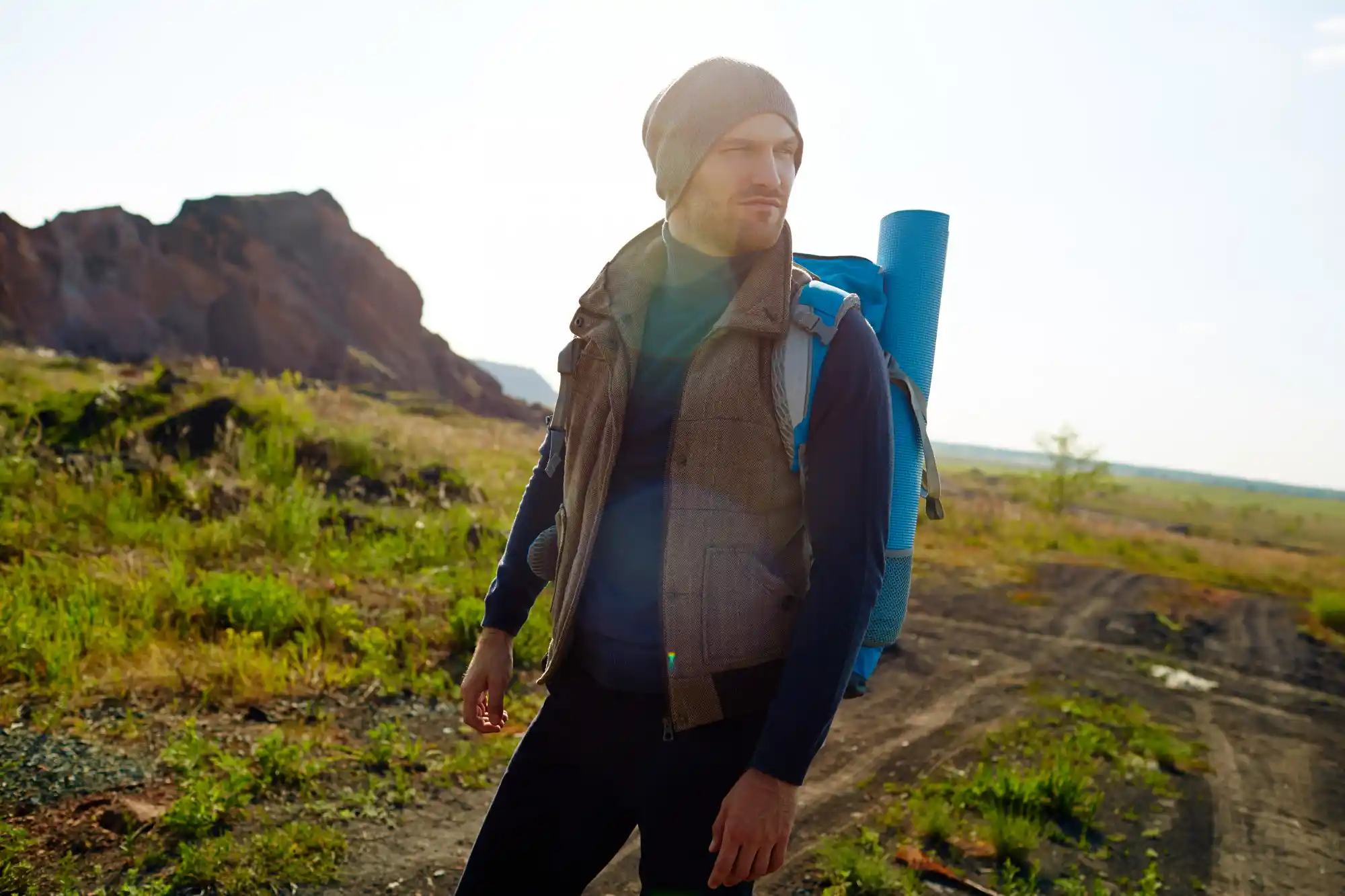
In this comprehensive guide, we will break down the science of why rucking burns up to 3x more calories than regular walking, how it corrects modern posture issues, and how you can start today with just a backpack.
The Science: Why Weight Changes Everything
Rucking bridges the gap between cardio and resistance training. When you walk unloaded, your body is incredibly efficient. Evolution has designed us to walk for hours using minimal energy.
However, when you add external load (a weighted backpack), you change the physics equation. According to the Pandolf Equation (the gold standard for predicting energy expenditure), calorie burn is determined by:
- W: Total Weight (Body + Pack)
- L: Load carried
- V: Velocity (Speed)
- G: Grade (Incline)
Adding just 20-30 lbs to your back forces your body to recruit more muscle fibers (legs, glutes, core, and back) to stabilize and move the load. This increased muscle recruitment skyrockets your heart rate into Zone 2 (the fat-burning zone) without the high impact of running.
See The Numbers Yourself
Do you want to know exactly how many calories you would burn carrying 20 lbs vs. 40 lbs? Or how much an incline adds to the burn? Don't guess.
Use our specific Hiking & Rucking Calculator. It uses the Pandolf equation to give you precise, military-grade data.
Benefit 1: The "Cardio for People Who Hate Running"
Running is effective, but it is hard on the joints. Each stride puts 3-4x your body weight of impact through your knees. Rucking, by contrast, is Low Impact.
Because one foot is always on the ground (Active Resistance), the impact forces are similar to walking, yet the cardiovascular demand is similar to jogging. This makes it the ultimate tool for:
- Overweight individuals who want to burn calories safely.
- Older adults protecting their knees.
- Lifters who want to improve conditioning without losing muscle mass.
Check your intensity: Use our Heart Rate Calculator to ensure you are staying in that sweet spot (Zone 2) where you can hold a conversation but still sweat.
Benefit 2: The Posture Cure
Modern life is a recipe for "Tech Neck." We sit hunched over desks and phones, rolling our shoulders forward. Rucking is the antidote.
The weight of the backpack naturally pulls your shoulders back and down. To counter the load, you must engage your core and stand tall. You literally cannot ruck with bad posture; the weight forces you into proper alignment. Over time, this strengthens the thoracic extensors (upper back), fixing the slouch.
How to Start: Rucking 101
You don't need a $300 tactical backpack to start. Here is the beginner's protocol:
1. The Gear
Grab any sturdy backpack you have. Wrap a dumbbell, a kettlebell, or even bricks/books in a towel (for cushioning) and place it high in the bag, close to your back.
2. The Weight
Start light. 10% to 15% of your body weight is the golden rule for beginners. If you weigh 180 lbs, start with 20 lbs. Do not jump to 50 lbs immediately; you will injure your traps or feet.
3. The Pace
Aim for a 15-20 minute mile pace (3-4 mph). It should feel like a "hurried walk."
The Nutrition Trap: Don't "Eat Back" Your Ruck
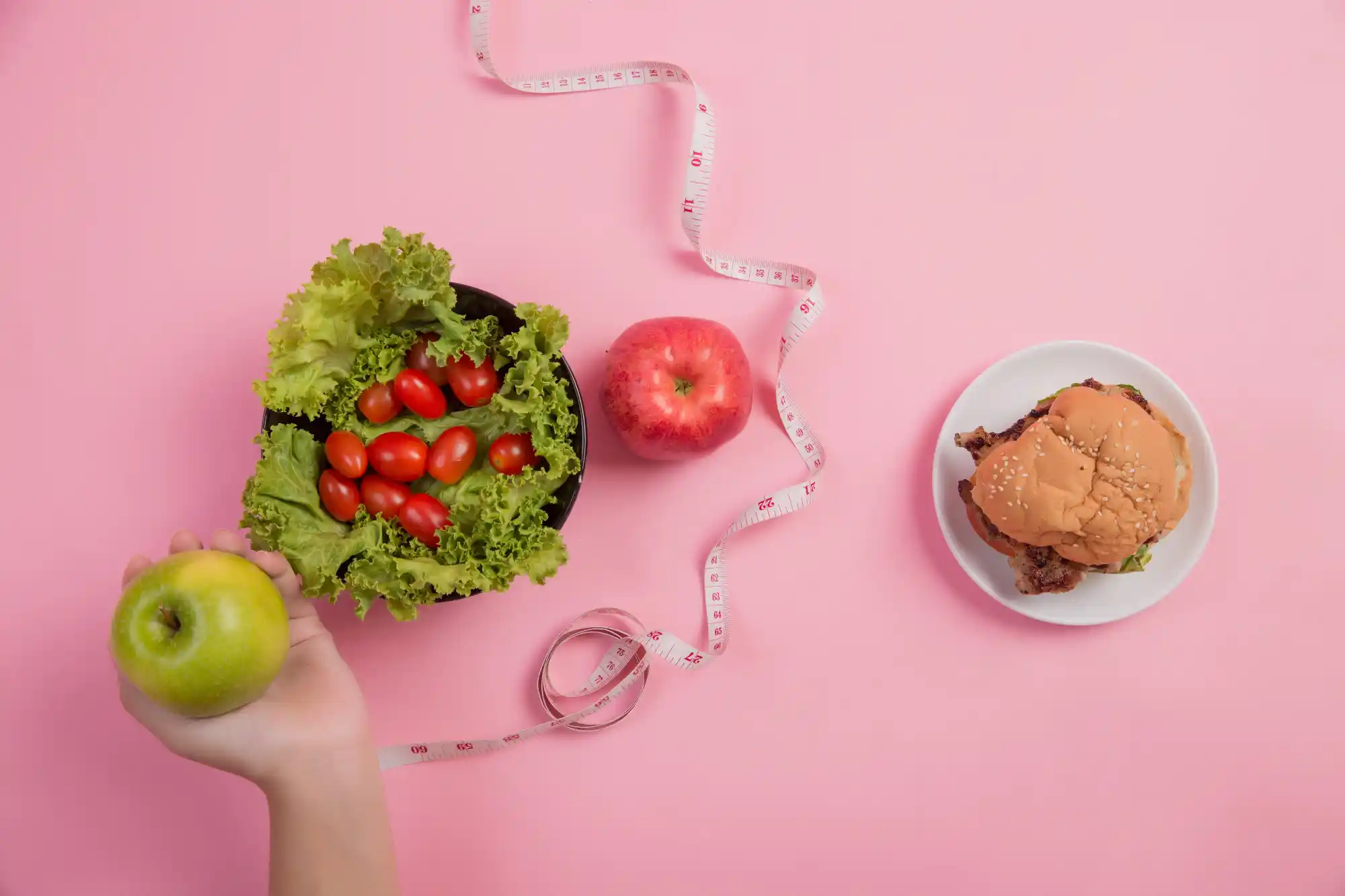
Rucking makes you hungry. It burns a significant amount of glucose and fat. A common mistake is finishing a 500-calorie ruck and rewarding yourself with an 800-calorie burger.
As illustrated above, exercise is only one side of the equation. To change your body composition, you must fuel the machine properly.
- Pre-Ruck: Light carbs (banana, oats) for energy.
- Post-Ruck: Protein to repair the muscles carrying that load.
Stay on track: Calculate your TDEE and create a sustainable meal plan with our Calorie Calculator and Macro Calculator.
Rucking vs. Walking vs. Running: The Breakdown
Is it really worth the effort? Let's look at the approximate burn for a 180 lb person over 1 hour:
| Activity | Impact on Knees | Muscle Building | Calories Burned |
|---|---|---|---|
| Walking | Low | Minimal | ~250-300 |
| Rucking (30lbs) | Low/Moderate | High (Legs/Back) | ~600-750 |
| Running | High | Minimal (Legs only) | ~700-800 |
Rucking delivers nearly the same calorie burn as running, with the muscle-building benefits of weightlifting, all while being safer for your joints.
Curious about step counts? See how rucking changes the math with our Steps to Calories Calculator.
Conclusion: Put It On Your Back
Fitness doesn't have to be complicated. Humans are born to carry things. By embracing rucking, you are tapping into an ancestral strength. You turn a walk into a workout, a commute into a training session, and a simple backpack into a fat-loss machine.
Start light, stand tall, and get moving.
Your Rucking Toolkit
Plan your rucking journey with precision:
- Rucking Calorie Calculator - Your specific burn.
- Zone 2 Calculator - Train smart.
- BMI Calculator - Track composition.
- Water Calculator - Rucking requires hydration!